- Skills focused
- Emotion aware
- Goal oriented
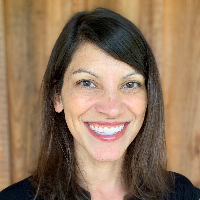
About Aleta
She aims to create a calm, supportive space where people can talk about hard things. Sessions focus on practical steps and clearer thinking. Aleta helps clients build coping skills and improve communication so they feel more in control.
Her approach pulls from proven methods like cognitive behavioral work and mindfulness to address unhelpful thinking and strong emotions. She also uses client-centered and emotionally-focused ideas to strengthen relationships and personal insight. Dialectical behavior strategies are part of her toolbox for managing intense feelings and building stable routines.
Aleta works with people facing trauma, addiction, intimacy challenges, caregiving stress, chronic illness, and career-related strain. She also supports concerns such as abandonment, attachment issues, blended family dynamics, and body image struggles. Her focus includes both immediate coping and longer-term healing.
To begin, she asks people to identify their goals and current barriers so sessions can match real needs. The process is collaborative: Aleta listens, offers feedback, and teaches skills that clients can use between meetings. The intent is steady progress rather than quick fixes.
Areas of expertise
Primary focus
Also works with
Additional focus areas
Therapeutic approaches
Experience
12+ years
Credentials
Georgia
Languages
English
How therapeutic approaches guide online work
Client-Centered Therapy focuses on listening, empathy, and helping people find their own solutions. It is useful when someone needs validation and a nonjudgmental space to make sense of feelings.Cognitive Behavioral Therapy (CBT) involves spotting unhelpful thoughts and testing them with small behavioral experiments. It helps with anxiety, depression, and stress by teaching concrete tools to change thinking and behavior.
Dialectical Behavior Therapy (DBT) provides skills for managing intense emotions and improving distress tolerance. It is often helpful for people who struggle with overwhelming feelings or patterns that lead to repeated crises.
Finding the right approach is part of the work together. The therapist will talk with the client about goals, preferences, and what feels useful, then adapt strategies over time. Clients help shape the plan and give feedback about what is working.
Confirm the available session formats before booking to know how meetings will be scheduled. Online therapy can make it easier to fit sessions into a busy week, reduce travel time, and allow shorter check-ins when needed. It can also let someone choose quieter surroundings or avoid video when that helps them focus. Licensed professionals can use these options to support steady progress that fits everyday life.
Frequently asked questions
What concerns does Aleta commonly address?
She helps people with stress, anxiety, depression, grief, self-esteem, and career-related strain, among other challenges listed in her specialties.
What is her therapeutic style like?
Sessions are compassionate and practical, combining listening with skills teaching to help clients manage emotions and change thinking patterns.
How long has she been practicing?
She has 12 years of experience providing counseling services in Georgia.
What credential does she hold and where does she practice?
She is a Licensed Professional Counselor, LPC, and practices in Georgia.
Are sessions offered in other languages?
Sessions are offered in English.
Can people outside the United States work with her?
She does not accept international clients at this time.
How are sessions billed and what does it cost?
Cost varies with location and therapist availability; sessions use a subscription that can be canceled at any time.
What are the first steps to begin therapy?
Click the Start Therapy button, complete a short matching questionnaire, and schedule according to therapist availability.