- Person-centered care
- Practical strategies
- Attachment focus
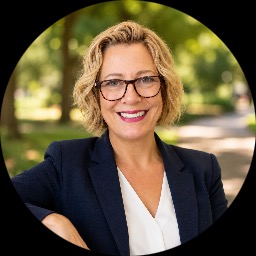
About Amy
Amy keeps sessions warm and straightforward. She aims to make it easy to talk about difficult feelings and hard events. Her style centers on listening first, then offering practical steps that fit each person’s life and goals.
She uses a mix of approaches to match what a person needs. That can include attachment-focused work to improve how people relate, client-centered methods that follow the client’s pace, cognitive behavioral techniques to change unhelpful thinking, mindfulness practices for stress and emotion regulation, and motivational interviewing to strengthen goals and follow-through.
Amy has worked on assertive community treatment teams and with older adults through a Health Education and Aging Resource Team. She also supervises graduate practicum students in a community mental health counseling program. Those roles inform how she blends direct counseling with practical guidance.
People come to Amy when they want steady support during big changes or persistent problems. She emphasizes respect and encouragement while helping people try new ways of coping and connecting. Choosing therapy with her involves shared planning and clear next steps.
Areas of expertise
Primary focus
Also works with
Additional focus areas
Therapeutic approaches
Experience
10+ years
Credentials
North Carolina
Languages
English
How her approaches translate to online work
Amy often draws on attachment-based work to help people notice patterns in their relationships and try new ways of relating. That approach focuses on how early and current relationships shape trust, closeness, and reactions to stress, and it can help with intimacy, communication, and commitment concerns.She also uses cognitive behavioral therapy, which looks at the links between thoughts, feelings, and behavior. CBT offers practical tools to reduce anxiety, manage mood, and change unhelpful habits. In sessions she may help identify thinking patterns and design small experiments to test new responses.
Finding the right approach is collaborative. Amy will talk with each person about goals, what has helped in the past, and what feels doable now. Together they pick methods and steps that match the client’s needs and preferences rather than using a single fixed model.
Confirm current session options before booking since formats are not specified in the biography. Online therapy can make it easier to fit sessions into a workday, allow shorter check-ins when schedules are tight, and remove travel time. Discussing format and timing at the start helps shape a plan that fits daily life and therapeutic goals.
Frequently asked questions
What concerns does Amy help with?
Amy works with stress, anxiety, depression, relationship and intimacy issues, trauma and abuse, addictions, grief, sleep problems, anger, career concerns, and related challenges listed in her profile.
How would you describe her therapeutic style?
Her style is compassionate and person-centered, emphasizing listening first, then offering practical steps and collaborative planning to meet individual goals.
What kind of experience does she have?
She has 10 years of professional experience, including work on assertive community treatment teams and with older adults on a Health Education and Aging Resource Team.
What are her credentials and location?
She is an LMFT licensed in North Carolina and practices from that state.
Which languages are supported for sessions?
Sessions are offered in English.
Can international clients work with her?
She does not accept international clients at this time.
How much do sessions cost?
Cost varies with location and therapist availability; sessions use a subscription that can be canceled at any time.
How do I get started with therapy?
Select the Start Therapy button, complete a short matching questionnaire, and schedule according to therapist availability.