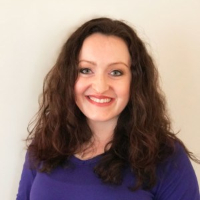
- Warm professional style
- Strength-based focus
- CBT and person-centered
About April
April uses a strength-based, client-centered stance. She listens, reflects, and helps people name thoughts and feelings. That listening often becomes the first step toward making practical changes.
She commonly blends person-centered techniques with cognitive behavioral strategies. That means she helps clients notice unhelpful thinking patterns and try different ways of thinking and behaving. Sessions are tailored to each person's needs rather than following one rigid method.
April works with a wide range of concerns, including stress, anxiety, trauma and abuse, grief, depression, ADHD, addictions, relationship and intimacy issues, parenting challenges, career concerns, and coping with life changes. She also addresses related areas such as attachment issues, adoption and foster care, caregiver stress, chronic illness, and body image.
Her approach aims to be practical and grounded. Clients can expect conversations that balance empathy with actionable steps. April explains methods plainly and invites questions so people understand why a technique is being used.
Areas of expertise
Primary focus
Also works with
Additional focus areas
Therapeutic approaches
Experience
8+ years
Credentials
North Carolina
Languages
English
How her approaches shape online therapy
April commonly draws on client-centered work and cognitive behavioral therapy in session. Client-centered work focuses on listening and reflecting so people feel heard and can sort through thoughts and feelings. It helps when someone needs space to tell their story and identify priorities. Cognitive behavioral therapy looks at thought patterns and behaviors and teaches practical skills to change unhelpful thinking and actions. It can be useful for anxiety, depression, and stress-related problems.Choosing an approach is a collaborative process. April will talk with each person about goals, preferences, and what feels useful. Together they decide which strategies to try and adjust the plan as progress is made.
The practical upside of online therapy is that it can fit into busy lives. Confirm current session options before booking, as formats are not specified here. Online sessions can make it easier to keep regular appointments, allow shorter check-ins when schedules are tight, and let people work on therapy goals from different locations without extra travel time. Licensed professionals can tailor session pacing and tools so the work fits each person's day-to-day life.
Frequently asked questions
What kinds of problems does she help with?
She helps with stress, anxiety, trauma and abuse, grief, depression, ADHD, addictions, relationship and intimacy issues, parenting, career concerns, and coping with life changes, among other areas.
What is her therapy style like?
Her style is warm yet professional and strength-based. She listens closely, reflects back what she hears, and pairs that with practical strategies.
How long has she been practicing?
She has eight years of experience as a clinician working with a variety of concerns and approaches.
What credentials and location apply to her practice?
She is a Licensed Clinical Mental Health Counselor, LCMHC, licensed in North Carolina.
Which languages are supported for sessions?
Sessions are offered in English.
Can people outside the US work with her?
She does not accept international clients at this time.
How are fees and payment handled?
Cost varies with location and therapist availability, and sessions use a subscription that can be canceled at any time.
How do I begin working with her?
Start by selecting the Start Therapy button, complete a short matching questionnaire, and then schedule according to the therapist's availability.