- Stress and anxiety
- Relationship support
- Career concerns
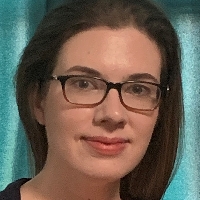
About Ashley
Ashley uses practical tools from Cognitive Behavioral Therapy to help people notice unhelpful thoughts and try different behaviors. She also draws on Dialectical Behavior Therapy and mindfulness strategies to teach emotional regulation and grounded attention. Motivational Interviewing is used when someone needs help finding motivation for change.
Sessions are meant to be collaborative and down-to-earth. Ashley listens first, then works with each person to set clear, achievable goals. She encourages skills practice between sessions so progress continues outside the therapy room.
Her background in social work shapes how she approaches real-life problems like caregiving stress, chronic illness, grief, substance concerns, and parenting strain. She supports people dealing with identity and intimacy questions as well as career transitions and burnout.
Ashley holds a Licensed Independent Clinical Social Worker credential and a Licensed Clinical Social Worker credential. She practices in West Virginia and conducts sessions in English. The focus is on practical steps that fit everyday life and on building coping skills that last.
Areas of expertise
Primary focus
Also works with
Additional focus areas
Therapeutic approaches
Experience
7+ years
Credentials
West Virginia, Virginia
Languages
English
How therapy approaches guide online care
CBT, or Cognitive Behavioral Therapy, focuses on the link between thoughts, feelings, and actions. It helps people notice unhelpful thinking patterns and try new behaviors to reduce anxiety, depression, and stress. DBT, Dialectical Behavior Therapy, teaches skills for managing intense emotions and improving relationships. It is useful for people who want tools for emotional regulation and distress tolerance. Mindfulness Therapy emphasizes present-moment awareness and simple practices to reduce rumination and increase focus and calm.Finding the right approach is part of the work. The therapist will collaborate with each person to choose methods that match their goals, needs, and preferences. This is an ongoing conversation, and techniques may shift as progress is made.
Session logistics and formats are not specified here, so confirm current online options before booking. Online therapy can make it easier to fit sessions into a busy week, accommodate work or caregiving schedules, and reduce travel time. It can also allow for shorter check-ins when a quick review is helpful or for sessions that do not require being on camera. Ask about available session types when you schedule so you can pick what fits your routine.
Frequently asked questions
What kinds of problems does Ashley help with?
She helps people facing stress, anxiety, depression, trauma, relationship and family concerns, grief, addictions, career issues, and related topics such as body image and parenting strain.
What is her therapeutic style like?
The approach is practical and collaborative, focusing on clear goals, skill building, and small changes that add up to improvement over time.
How much clinical experience does she have?
Ashley has seven years of experience working in community mental health settings with a wide range of concerns and backgrounds.
What are her credentials and where does she practice?
She holds LICSW and LCSW credentials and practices in West Virginia.
Which languages are supported in sessions?
Sessions are offered in English.
Can people outside the United States work with her?
She does not accept international clients at this time.
How are session costs handled?
Cost varies by location and therapist arrangements; sessions use a subscription model that can be canceled at any time.
How do I begin therapy with her?
Start by selecting the Start Therapy button, complete a short matching questionnaire, and then schedule a session according to therapist availability.