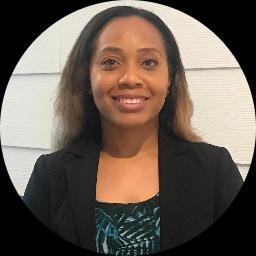
- Warm interactive style
- Evidence-informed approaches
- Helps with career stress
About Bathsheba
She uses approaches from cognitive-behavioral and client-centered perspectives to shape each session. That means sessions focus on what is happening now, identifying unhelpful patterns, and building new ways to respond. Bathsheba also incorporates elements of acceptance and commitment therapy and skills from dialectical behavior therapy when those fit a person's needs.
Bathsheba has worked with a wide range of concerns including anxiety, depression, stress, addictions, trauma and grief. She also supports people dealing with relationship and intimacy issues, parenting strain, self-esteem and body image, and career-related stress. She has experience with ADHD and mood disorders as well.
Her approach is practical and person-focused. She listens first, then works with each person to set short-term goals and simple exercises to practice between sessions. Sessions often include talk, skill-building, and reflective work aimed at everyday improvements.
She encourages people to move at their own pace and to try small changes that add up. To begin, readers can use the site Start Therapy button and complete the brief matching questionnaire to schedule according to therapist availability.
Areas of expertise
Primary focus
Also works with
Additional focus areas
Therapeutic approaches
Experience
13+ years
Credentials
Georgia
Languages
English
How her approaches translate to online work
Bathsheba draws on cognitive behavioral therapy and client-centered therapy to guide online work. CBT focuses on identifying unhelpful thoughts and testing practical behavior changes, which can help with anxiety, depression, and career stress. Client-centered therapy centers the conversation on the person’s experience, offering empathy and reflection to help people clarify goals and values.She also uses elements of acceptance and commitment therapy when helpful, which emphasizes noticing difficult feelings and committing to actions that reflect personal values. Choosing the best approach is collaborative - she will discuss options and adapt methods to fit a person’s goals, preferences, and what works in session.
The biography did not list specific online formats, so confirm current session options before booking. In general, online therapy can make it easier to fit sessions into a busy schedule, reduce travel time, and allow short check-ins during a workday. Therapists can use talk-based sessions and practical homework to support changes between meetings, helping people practice skills in their everyday routines.
Frequently asked questions
What concerns does this therapist address?
She works with many issues including stress, anxiety, depression, addictions, trauma, grief, relationship and intimacy concerns, parenting strain, self-esteem, and career-related stress.
What is the general therapy style?
Her style is warm and interactive with an emphasis on listening, practical skill-building, and goal setting tailored to each person.
How much experience does she have?
She has 13 years of experience working in the mental health field with a broad range of concerns.
What credentials and region are listed?
She is a Licensed Professional Counselor (LPC) practicing in Georgia.
Which languages are supported and are international clients accepted?
Sessions are offered in English and international clients are not currently accepted.
What session formats are available?
The original biography does not specify session formats; please confirm current session options before booking.
How does payment and cost work?
Cost varies with location and therapist availability; sessions use a subscription that can be canceled at any time.
How do I begin working with this therapist?
Use the Start Therapy button, complete the short matching questionnaire, and then schedule sessions according to therapist availability.