- Warm conversational style
- Practical coping skills
- Career and life transitions
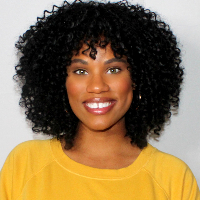
About Breo’na
She centers sessions on the person in front of her and assumes clients are experts on their own lives. Breo'na uses Cognitive Behavioral Therapy, along with client-centered and emotionally-focused ideas, to help people notice unhelpful thinking and try different behaviors. She mixes practical strategies and reflective conversations so clients can test new ways of coping.
Breo'na trained in clinical mental health counseling and holds a Master of Science in Clinical Mental Health Counseling and a Bachelor of Science in Psychology from Wright State University. She practices in Georgia and also holds a North Carolina clinical mental health counselor credential. Her background includes about ten years of counseling work across a range of concerns.
Sessions tend to be relaxed and sometimes include light moments and humor. People can expect straightforward conversation, goal-focused steps, and attention to what feels realistic for daily life. Breo'na helps clients identify small changes that add up over time.
She encourages people to bring their real worries and goals to the first meeting. That first conversation is used to figure out what matters most and to plan the next steps together.
Areas of expertise
Primary focus
Also works with
Therapeutic approaches
Experience
10+ years
Credentials
North Carolina, Georgia
Languages
English
How therapeutic approaches translate to online work
Client-Centered Therapy focuses on listening, empathy, and following the person’s lead. It helps when someone needs space to tell their story and find their own solutions. Cognitive Behavioral Therapy looks at how thoughts influence feelings and actions and uses simple exercises to test different ways of thinking and behaving, which can help with anxiety, low mood, and workplace stress.Finding the right approach is part of the work. The therapist will collaborate with the client to decide which methods fit their goals and preferences. This might mean trying a few techniques and adjusting what’s used based on what helps most in day-to-day life.
Practical benefits of online therapy include fitting sessions into a busy schedule and avoiding travel time, which can make it easier to keep regular appointments. If you want to know which session types are offered, confirm the current options before booking. The emphasis is on making therapy usable within a person's routine so skills and coping strategies can be practiced between meetings.
Frequently asked questions
What concerns does this therapist address?
She supports people with relationship problems, career stress, anxiety, depression, parenting strain, ADHD, bipolar mood concerns, trauma and abuse, anger, self-esteem, and compassion fatigue.
How would you describe the therapy style?
The style is welcoming, nonjudgmental, and interactive with a conversational tone. Sessions combine practical steps and reflective conversation to focus on realistic change.
What experience does she bring to sessions?
She has about 10 years of counseling experience working with a range of emotional and relational concerns. That background informs a mix of practical skills and clinical listening.
What credentials and location are listed?
She holds LCMHC and LPC credentials and practices in Georgia, while also holding a North Carolina LCMHC credential.
Which languages are supported and can international clients join?
Sessions are offered in English. She is not currently accepting international clients.
What session formats are used?
Session formats are not specified here; please confirm current session options before booking to know whether in-person or online sessions are available.
How does billing and cost work?
Cost varies with location and therapist availability. Sessions use a subscription that can be canceled at any time.
How do I begin working with this therapist?
Select the Start Therapy button, complete a short matching questionnaire, and schedule according to the therapist's availability.