- Career and life transitions
- Stress and anxiety help
- Skill building focused
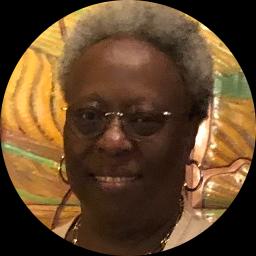
About Carol
Carol emphasizes that each person knows their own story. She listens first and helps people notice their strengths. From there she works together with clients to set clear, manageable goals and build skills to cope with everyday pressures.
Her background includes work supporting people through trauma, grief, parenting concerns, and intimacy-related struggles. She also addresses addictions, compassion fatigue, ADHD, and challenges that come with divorce or separation. Carol aims to make sessions straightforward and focused on what matters most to each person.
In sessions she uses approaches such as Acceptance and Commitment Therapy, Cognitive Behavioral Therapy, client-centered methods, and solution-focused techniques. Those methods are used to help with mood, behavior, and relationship patterns, and to develop new coping strategies.
Carol works in North Carolina and speaks English. She encourages people to take the next step when they are ready and makes room for practical coaching alongside therapy when that fits someone’s goals.
Areas of expertise
Primary focus
Also works with
Additional focus areas
Therapeutic approaches
Experience
11+ years
Credentials
North Carolina
Languages
English
Therapeutic approaches and how they work online
Acceptance and Commitment Therapy, or ACT, focuses on helping people notice their thoughts and feelings without getting stuck in them. It teaches values-based action so someone can move toward a life that matters to them despite difficult emotions. Cognitive Behavioral Therapy, CBT, looks at how thoughts, feelings, and actions connect and uses practical tools to change unhelpful patterns and improve mood and behavior. Client-centered therapy emphasizes listening, empathy, and building a supportive relationship so a person can explore goals and make changes at their own pace.Finding the right approach is part of the work together. Carol will collaborate with each person to match methods to their needs, goals, and preferences. That might mean trying a few techniques, tracking what helps, and adjusting as progress is made.
Confirm current session options before booking so you know what formats are available. Online therapy can make it easier to fit sessions into a busy life by reducing travel and allowing more flexible scheduling. It also supports shorter check-ins when needed and can let someone choose an option that works with their day-to-day routine. The therapist and client will discuss what will best support steady progress and practical goal-setting.
Frequently asked questions
What concerns does Carol commonly help with?
She helps people with stress, anxiety, depression, self-esteem, career questions, trauma and abuse, grief, addiction concerns, parenting and intimacy-related issues.
What is her general therapy style?
Her style is warm and practical. She listens, helps clients identify strengths, and works toward clear, manageable goals.
How much clinical experience does she have?
Carol has 11 years of professional experience working with a range of concerns including trauma and work with children and teens in past roles.
What are her credentials and where is she based?
She holds the LCMHC credential, Licensed Clinical Mental Health Counselor, and practices in North Carolina.
Which languages are sessions offered in?
Sessions are offered in English.
Can people outside the U.S. work with her?
International clients are not currently accepted.
How does pricing and scheduling work?
Cost varies with location and therapist availability; sessions use a subscription that can be canceled at any time.
How do I begin if I want to work together?
Use the Start Therapy button, complete a short matching questionnaire, and then schedule according to the therapist's availability.