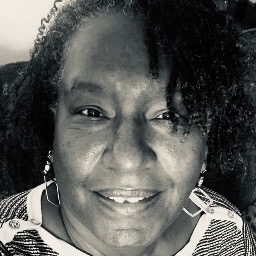
- Focus on skills
- Warm client-centered care
- Practical coping tools
About Darlene
Her work covers common problems like stress, anxiety, depression, and relationship strain. She also supports people facing career stress, parenting challenges, grief, trauma and abuse, addictions, and issues with intimacy or self-esteem. Dr. Anderson pays attention to how life changes, losses, and family patterns affect day-to-day functioning.
In sessions she leans on client-centered methods that prioritize the person’s goals and voice. She also uses cognitive behavioral techniques to change unhelpful thinking and dialectical behavior tools to teach emotion regulation and coping skills. Mindfulness and motivational interviewing are woven in when they fit the client's needs.
People who prefer clear, skill-focused work tend to do well with her. She offers a practical mix of listening, teaching, and practice exercises so skills can be used between sessions. Her style balances support with tools meant to help with immediate problems.
Dr. Anderson works from Virginia and communicates in English. Before scheduling, readers should confirm current session options and logistics to make sure they match personal needs.
Areas of expertise
Primary focus
Also works with
Additional focus areas
Therapeutic approaches
Experience
20+ years
Credentials
Virginia, North Carolina
Languages
English
Therapeutic approaches and online care that fit your life
Client-centered therapy emphasizes the person's goals and perspective. The therapist listens closely and shapes the work around what the client wants to change, which helps people who need a collaborative and respectful process.Cognitive Behavioral Therapy, or CBT, focuses on identifying unhelpful thoughts and testing them with real-life practices. It is often used for anxiety, depression, and stress by teaching concrete skills to change thinking and behavior.
Dialectical Behavior Therapy, or DBT, teaches emotion regulation, distress tolerance, and interpersonal skills. Those tools are helpful when strong emotions or relationship conflicts make daily life harder.
Finding the right approach is part of the process. The therapist will work with each person to choose methods that match their goals, needs, and preferences. That choice is made together and can shift as progress happens.
Many people find online therapy helps fit sessions into busy schedules and everyday life. It can make it easier to have shorter check-ins, schedule around work, or avoid travel time. Confirm the available session formats with the provider before booking so you know how sessions are delivered and can pick what fits your routine.
Frequently asked questions
What concerns does Dr. Anderson address?
She works with stress, anxiety, depression, relationship problems, career strain, parenting challenges, grief, trauma and abuse, addictions, and related concerns such as self-esteem and intimacy issues.
What is her general therapy style?
Her style is client-centered and practical, combining listening with skill teaching and exercises you can use between sessions.
How much experience does she have?
She has 20 years of professional experience in counseling across various settings and clinical concerns.
Which credentials and region apply to her practice?
She holds LPC and LCMHC credentials and practices in Virginia while also holding licensure in North Carolina as listed.
What languages are supported and can international clients work with her?
Sessions are offered in English and she is not accepting international clients at this time.
What session formats are available?
Please confirm the current session options with the service before booking, as the therapist's profile does not list specific session formats.
How does payment and cost work?
Cost varies by location and therapist availability; sessions use a subscription that can be canceled at any time.
How do I begin working with Dr. Anderson?
Use the Start Therapy button, complete the short matching questionnaire, and schedule according to the therapist's availability.