- CBT informed
- Practical strategies
- Career concerns
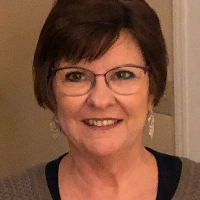
About Debbie
She uses Cognitive Behavioral Therapy (CBT) as a core approach, and combines it with flexible techniques to suit the situation. Sessions typically involve talking through current problems, identifying patterns, and trying small experiments or new skills between meetings. Debbie aims to be kind and sensitive while also being direct when a firmer approach will help move things forward.
Over two decades she has worked with clients across many concerns, including anxiety, depression, bipolar mood disorders, ADHD, grief, trauma and abuse, relationship and intimacy issues, parenting challenges, and career questions. She also supports people coping with adoption and foster care issues, autism and Asperger syndrome, blended family challenges, and end-of-life concerns.
Debbie emphasizes listening carefully and offering clear feedback. She describes therapy as a collaborative effort where the client’s goals guide the work. People can expect practical steps, real-world strategies, and attention to what fits their daily life.
Her practice reflects both formal training and life experience. If someone wants to explore coping skills, mood management, or career-related stress, Debbie offers a steady, experienced presence to help clarify next steps.
Areas of expertise
Primary focus
Also works with
Additional focus areas
Therapeutic approaches
Experience
20+ years
Credentials
North Carolina, New Jersey, New Hampshire
Languages
English
How CBT and collaborative care work online
Debbie uses Cognitive Behavioral Therapy (CBT) as a main approach. CBT looks at how thoughts, feelings, and actions link together and teaches practical skills to change unhelpful patterns. It often helps with anxiety, depression, mood regulation, obsessive thinking, and stress management.She pairs CBT with flexible techniques tailored to each person. That means talking through problems, trying small behavior changes, and reviewing what worked between sessions. The therapist and client decide together which methods fit the client's goals and lifestyle, making adjustments as needed.
Online therapy can make it easier to fit sessions into a busy life, such as shorter check-ins during a work break or avoiding travel time. Confirm which session formats are offered before booking so you know how you will meet. The focus remains practical: using skills in everyday situations, tracking progress, and adapting plans so therapy fits daily routines and goals.
Frequently asked questions
What concerns does Debbie work with?
She helps people with stress, anxiety, depression, bipolar mood issues, ADHD, grief, trauma and abuse, relationship and intimacy concerns, parenting strain, career questions, and related life changes.
What is her general therapy style?
Debbie combines a kind, caring demeanor with direct feedback when needed. She focuses on practical steps and talks through what will help in daily life.
How long has she been practicing?
She has about 20 years of experience working with people from many backgrounds and ages.
What credentials and region does she represent?
She holds the LCMHC credential and is licensed in North Carolina.
Which languages are supported?
Sessions are offered in English.
Can people from other countries work with her?
She does not accept international clients at this time.
How are sessions arranged and what formats are used?
Confirm current session options before booking so you know which formats are available for scheduling.
How are costs handled and how do subscriptions work?
Session cost varies by location and therapist schedule; sessions use a subscription that can be canceled at any time.