- Warm interactive style
- Career and life changes
- Trauma informed care
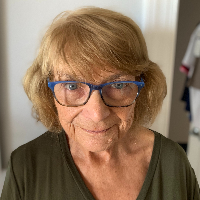
About Deborah
Her background includes creating transition programs for service members leaving the military and providing counseling to service members and their families. She has completed comprehensive assessments in the foster care system and supported people affected by emotional, physical, and sexual abuse. Those experiences shaped her calm, steady approach when someone is dealing with loss, trauma, or overwhelm.
Deborah keeps sessions warm and interactive. She treats people with respect and avoids stigmatizing labels. In conversation she listens closely and helps clients set realistic next steps for problems like anxiety, depression, parenting stress, or career difficulties.
Her work draws on client-centered conversation alongside cognitive behavioral techniques, EMDR, mindfulness, and motivational interviewing when helpful. She adapts the plan to each person rather than using one fixed method.
Clients typically come for help with stress, relationship strain, grief, addiction, ADHD, or career concerns. Deborah describes the first steps as setting goals together and building manageable changes over time. If someone is ready to try therapy, she focuses on practical steps to move toward a more satisfying life.
Areas of expertise
Primary focus
Also works with
Additional focus areas
Therapeutic approaches
Experience
34+ years
Credentials
Florida
Languages
English
Approaches you can use in online therapy
Client-centered therapy focuses on listening and building a trusting relationship. The therapist follows your lead, reflects what you say, and helps you find your own solutions for issues like career confusion, relationship strain, or low motivation.Cognitive behavioral therapy, or CBT, looks at unhelpful thinking and behavior patterns. In short, it helps identify thoughts that keep problems going and then tests new actions to change feelings and results. This can be useful for anxiety, depression, sleep problems, and work stress.
Eye Movement Desensitization and Reprocessing, EMDR, helps people process traumatic memories by using guided bilateral stimulation along with focused recall. It is often used when past events keep causing distress in daily life.
Choosing the right approach is part of the work together. The therapist will ask about your goals, what has or hasn't helped before, and how you prefer to work. Then she will suggest options and adjust the plan as progress is made.
The biography does not list which session formats are offered. Confirm the available online session options before booking so you know what fits your schedule. Online therapy can make sessions easier to fit into a busy day, allow shorter check-ins, and reduce travel time while keeping the focus on practical steps for change.
Frequently asked questions
What concerns can she help with?
She works with stress, anxiety, trauma and abuse, anger, depression, grief, relationship and family concerns, career matters, addictions, ADHD, and related issues.
What is her therapeutic style?
Her style is warm and interactive. She listens, avoids stigmatizing labels, and helps clients set realistic, step-by-step goals.
How much experience does she have?
She brings 34 years of experience in settings such as campus career counseling, military family centers, foster care assessments, and community mental health.
What credentials and where is she based?
She holds the credential LMHC, listed as FL LMHC, and practices in Florida.
Which languages are supported?
Sessions are offered in English. International clients are not accepted at this time.
What session formats are offered?
The original biography does not list specific session formats. Please confirm current session options before booking.
How are costs handled?
Cost varies with location and therapist availability, and sessions use a subscription that can be canceled at any time.
How do I begin working together?
Use the Start Therapy button, complete a short matching questionnaire, and schedule according to the therapist's availability.