- Client-centered focus
- CBT and mindfulness
- Career and life transitions
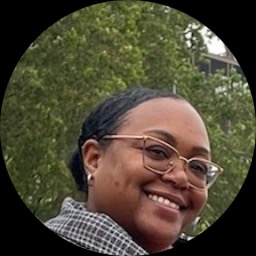
About Elizabeth
She began working in mental health after completing a bachelor’s degree in Criminal Justice at Kean University and a master’s degree in Mental Health Counseling from Mercer University. Early roles included supporting people with Alzheimer’s and dementia, and internships serving adolescents in schools and adults in a county jail.
After graduate school, her work expanded to psychiatric hospitals, senior living communities, community mental health clinics, and crisis support for veterans. These varied settings shaped how she listens and responds to immediate needs as well as longer-term concerns.
Elizabeth uses a mix of Client-Centered techniques, Cognitive Behavioral Therapy, mindfulness, motivational interviewing, and solution-focused ideas. Sessions tend to be collaborative and aimed at clear, achievable steps rather than vague goals.
She draws on 12 years of experience to help people with grief, trauma, addiction concerns, ADHD, compassion fatigue, bipolar mood issues, intimacy and communication problems, and questions about life purpose and self-esteem. For individuals weighing career choices, she brings practical guidance alongside emotional support.
Areas of expertise
Primary focus
Also works with
Additional focus areas
Therapeutic approaches
Experience
12+ years
Credentials
Georgia
Languages
English
How Elizabeth’s Approaches Translate to Online Work
Client-Centered Therapy focuses on listening closely and reflecting back what matters to each person. It helps people feel heard and discover their own solutions for stress, relationship concerns, and life changes.Cognitive Behavioral Therapy (CBT) looks at how thoughts, feelings, and behaviors connect. It uses concrete exercises and small experiments to reduce anxiety, manage mood symptoms, and improve coping skills.
Mindfulness Therapy helps people attend to the present moment and notice patterns without judgment. This can be useful for anxiety, compassion fatigue, and handling strong emotions.
Finding the right approach is part of the process. Elizabeth works collaboratively to match techniques to a person’s needs, goals, and preferences. She will check in and adjust methods as sessions progress so the work feels practical and relevant.
Online therapy can make it easier to fit sessions into a busy life, for example by reducing travel time or allowing a shorter check-in during a lunch break. Because session formats are not specified here, confirm current options before booking to find what works best. Licensed professionals can still use the same CBT exercises, mindfulness practices, and client-centered conversation in an online setting, and sessions can be shaped to fit work schedules and daily routines.
Frequently asked questions
What concerns does she help with?
She supports adults with stress, anxiety, depression, relationship and intimacy issues, grief, trauma, addictions, ADHD, bipolar mood concerns, and career questions.
What is her therapy style like?
Her style is open minded, empathetic, and goal oriented. She works collaboratively and focuses on practical steps clients can try between sessions.
How much clinical experience does she have?
She brings 12 years of experience working in hospitals, senior living, community clinics, schools, jails, and crisis support settings.
What credentials and region apply to her practice?
She is a Licensed Professional Counselor (LPC) practicing in Georgia.
Which languages are supported for sessions?
Sessions are offered in English.
Can people outside the United States work with her?
She is not accepting international clients at this time.
How are costs handled?
Cost varies with location and therapist availability, and sessions use a subscription that can be canceled at any time.
How do I begin working with her?
Select the Start Therapy button, complete a short matching questionnaire, and schedule according to the therapist's availability.