- Practical coping skills
- Collaborative goal setting
- Trauma-informed care
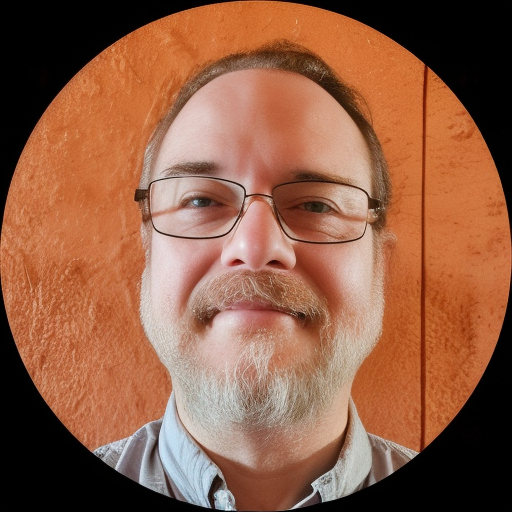
About Erik
He uses a blend of approaches that match each person’s needs rather than a single fixed method. In sessions he listens first, then suggests practical steps clients can try between meetings. That might include techniques to manage anxiety, ways to improve communication, or tools to handle intense emotions after trauma.
Erik has worked with clients facing attachment and family-of-origin issues, adoption and foster care concerns, caregiver stress, and neurodevelopmental differences such as autism. He also supports people coping with mood disorders, bipolar disorder, and the ups and downs of parenting and fatherhood.
Clients can expect a direct but compassionate style that balances short-term coping skills with deeper work on recurring patterns. Erik draws on approaches like attachment-based therapy, cognitive behavioral techniques, EMDR for trauma, and mindfulness to tailor care. He holds LMHC and LPC licenses and practices in Florida.
Sessions focus on clear goals, practical steps, and steady progress. People who want help sorting career decisions, improving relationships, or recovering from traumatic events may find his approach constructive and down-to-earth.
Areas of expertise
Primary focus
Also works with
Additional focus areas
Therapeutic approaches
Experience
30+ years
Credentials
Florida, Pennsylvania
Languages
English
How his approaches translate to online care
Erik commonly draws on cognitive behavioral therapy and attachment-based therapy to guide online work. Cognitive behavioral therapy focuses on identifying unhelpful thoughts and testing new behaviors to reduce anxiety and improve mood. Attachment-based therapy looks at patterns in close relationships and helps people build healthier ways of relating to others.Choosing the right approach is a collaborative process. The therapist will talk with each person about goals, past experiences, and preferences, then adapt methods over time. Clients and the therapist check in regularly to see what is working and what needs changing.
Confirm the current session options before booking, as formats are set by the practice. Online care can make it easier to fit therapy into a busy schedule, reduce travel time, and allow shorter check-ins when a full session feels impractical. It also lets people continue steady work through life transitions and to follow up after in-person care when needed.
Frequently asked questions
What kinds of problems does Erik help with?
He helps people manage stress, anxiety, depression, trauma and grief as well as career concerns and relationship strain. Additional areas include parenting challenges, ADHD, eating and sleeping problems, and compassion fatigue.
What is his therapeutic style like?
Erik combines a direct approach with empathy, listening closely before suggesting practical steps. He balances short-term coping tools with deeper work on attachment and recurring patterns.
How much experience does he have?
He has three decades of clinical experience working with adults and young adults on issues such as mood disorders, trauma recovery, and family-of-origin concerns.
Where does Erik practice and what credentials does he hold?
He practices in Florida and holds LMHC and LPC credentials as listed in his profile.
Which languages are supported in sessions?
Sessions are offered in English.
Can people from other countries work with him?
He is not accepting international clients at this time.
How is cost handled for sessions?
Cost varies with location and therapist availability; sessions use a subscription that can be canceled at any time.
How do I begin working with Erik?
Select the Start Therapy button, complete a short matching questionnaire, and schedule according to therapist availability.