- Client-centered approach
- Practical coping tools
- Career and life planning
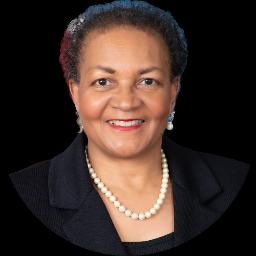
About Freda
She draws on client-centered methods to listen and identify what matters most to each person. Cognitive Behavioral Therapy techniques help break unhelpful thinking and behavior patterns. Motivational Interviewing supports hard decisions and change, while Solution-Focused work helps set short-term, achievable goals.
Dr. Shipman has worked with adults facing aging and geriatric concerns, caregivers under strain, people coping with chronic or terminal illness, and those dealing with trauma and abuse. She also addresses financial stress, life purpose questions, and the emotional aspects of career and retirement shifts. Her background includes supporting people through hospice, oncology-related issues, and special needs planning.
Sessions emphasize practical steps, emotional support, and clearer planning. She helps people identify strengths, set realistic goals, and develop coping tools that fit daily life. Expect a calm, respectful conversation that focuses on what you want to change and how to get there.
To begin, clients complete a short matching questionnaire and schedule according to therapist availability. Dr. Shipman practices in Virginia and conducts work in English.
Areas of expertise
Primary focus
Also works with
Additional focus areas
Therapeutic approaches
Experience
25+ years
Credentials
North Carolina, Virginia
Languages
English
How therapy approaches shape remote work
Dr. Shipman uses Client-Centered Therapy to prioritize each person's experience, offering attentive listening and collaboration so goals come from the client's priorities. Cognitive Behavioral Therapy (CBT) provides concrete tools to change unhelpful thoughts and behaviors, which can be practiced between sessions. Motivational Interviewing helps people clarify what they want to change and builds internal motivation to follow through.Finding the right approach is part of the work. Dr. Shipman will discuss different methods and tailor them to your needs, goals, and preferences. This is a collaborative process where techniques are adjusted based on what helps you make progress.
Confirm current session options before booking so you know which formats are available. Online therapy can make it easier to fit sessions into busy lives, removing commute time and allowing appointments during a work break or between errands. It can also let people use shorter check-ins when days are tight, or choose options that require less bandwidth if needed. Talk with the therapist about scheduling and format preferences when you complete the matching questionnaire.
Frequently asked questions
What kinds of concerns does she address?
She helps people with grief, anxiety, stress, anger, trauma and abuse, self-esteem, career and life changes, parenting strains, and relationship or family problems.
How would you describe her therapeutic style?
Her work is warm and collaborative. She uses client-centered listening and practical techniques like CBT, Motivational Interviewing, and Solution-Focused methods to set goals and find steps forward.
What is her clinical background and experience?
She is a Licensed Clinical Social Worker with 25 years in clinical settings, supporting adults through aging, caregiver stress, chronic illness, end-of-life issues, and career or retirement transitions.
Where does she practice and what credentials does she hold?
She practices in Virginia and holds LCSW credentials. The profile lists NC LCSW and VA LCSW as credential details.
Which languages are sessions offered in?
Sessions are offered in English.
Can international clients work with her?
International clients are not currently accepted.
How does cost and scheduling work?
Cost varies with location and therapist availability and sessions use a subscription that can be canceled at any time.
What are the first steps to start therapy?
Use the Start Therapy button, complete a short matching questionnaire, and then schedule sessions according to therapist availability.