- Career and life focus
- Addictions experience
- Values-based work
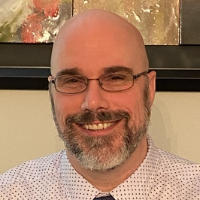
About James
He uses clear, direct conversation to help people set goals and make changes. Sessions focus on understanding what matters to the person, learning skills to manage difficult thoughts and feelings, and taking small steps toward better daily functioning. He also supports clients who want to explore spirituality as part of their healing.
James draws on approaches such as Acceptance and Commitment Therapy, cognitive behavioral techniques, client-centered methods, existential ideas, and mindfulness tools. He adapts methods to fit each person rather than using a single fixed plan. This means sessions can include practical skill-building, values-based planning, and reflective conversation.
He has worked in a variety of settings with people facing substance use and dual diagnosis, obsessive compulsive disorder, post-traumatic stress, anger and impulse problems, low self-esteem, and family conflict. His aim is to help people feel stronger, clearer, and more able to act in line with their goals.
James works with adults and accepts international clients who can connect in English. To begin, readers are encouraged to follow the site process to match and schedule a first session.
Areas of expertise
Primary focus
Also works with
Additional focus areas
Therapeutic approaches
Experience
13+ years
Credentials
Florida
Languages
English
How James uses therapy approaches online
Acceptance and Commitment Therapy (ACT) helps people clarify what matters to them and take action toward those values even when feelings are difficult. It can be useful for stress, depression, anxiety, and decision-making. Cognitive Behavioral Therapy (CBT) focuses on identifying unhelpful thinking and behavior patterns and learning practical skills to change them; it often helps with anxiety, mood, and addictive behaviors. Client-Centered Therapy centers the person's experience and priorities, using an accepting, nonjudgmental approach to help someone explore feelings and build self-direction.Finding the right mix of methods is part of the process. The therapist works collaboratively to identify which approach or combination fits the person's goals, needs, and preferences, and then adjusts the plan over time based on what helps.
The biography does not specify session formats, so confirm current options before booking. Online work can make it easier to fit sessions into a busy life, shorten travel time, and allow steady check-ins during big life changes. Some therapeutic tasks translate well to remote sessions, such as learning coping skills, values work, and structured behavioral exercises. Discuss format and scheduling during the match process to find what will work best for everyday routines.
Frequently asked questions
What kinds of concerns does he help with?
He supports adults with stress, anxiety, addictions, depression, relationship and family difficulties, trauma and related issues such as ADHD and compassion fatigue.
What is his style of therapy like?
Sessions are practical and conversational with an emphasis on skills, values clarification, and short-term goals tailored to each person.
How much clinical experience does he have?
He has worked as a mental health and addictions counselor since 2012, bringing 13 years of experience to his practice.
What credentials does he hold and where is he based?
He is a Licensed Mental Health Counselor, FL LMHC, and practices from Florida.
Which languages are sessions offered in?
Sessions are offered in English and he accepts international clients who can participate in English.
What session formats are available?
The original biography does not list specific session formats; please confirm current session options before booking.
How is cost handled for sessions?
Cost varies with location and therapist availability; sessions use a subscription that can be canceled at any time.
How do I get started with him?
Click the Start Therapy button, complete a short matching questionnaire, and schedule according to the therapist's availability.