- Trauma-informed approach
- Career and workplace support
- Goal-focused sessions
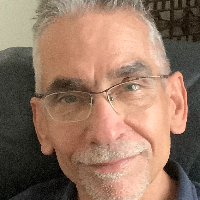
About Joseph
Before moving into private clinical work, he spent over 20 years providing readjustment and vocational rehabilitation services to veterans. He also served in the U.S. military for many years and worked in sexual assault response and medical evacuation roles overseas. This background shapes how he understands trauma, first responder strain, and caregiver burden.
In sessions he aims to build a clear therapeutic relationship and practical plans. He uses straightforward discussion, coping skills, and goal-focused steps so people can see progress between visits. He also brings coaching-style work for clients clarifying career goals and life purpose.
Clients can expect a calm, direct approach that balances listening with action. He helps people sort priorities, reduce overwhelming stress, and make manageable changes. If you want focused support for work stress, trauma-related concerns, or a plan to move forward, he offers collaborative help.
Joseph invites prospective clients to begin with a short questionnaire and an initial scheduling step. This helps match expectations and set clear next steps for therapy.
Areas of expertise
Primary focus
Also works with
Additional focus areas
Therapeutic approaches
Experience
20+ years
Credentials
New York, Florida, Wisconsin, Kentucky, Tennessee
Languages
English
How these approaches translate to online care
Client-Centered Therapy focuses on understanding each person where they are. The therapist listens with empathy and follows the client’s goals, helping them name what matters and choose next steps. Cognitive Behavioral Therapy, or CBT, uses practical exercises to change unhelpful thoughts and behaviors. It is useful for anxiety, mood struggles, and coping with workplace stress.Deciding which approach fits is a team effort. The therapist will work with the client to identify goals, try methods, and adjust as needed. That collaborative process helps shape sessions so they match the person’s needs, pace, and preferences.
Confirm the current session options before booking, as formats are not listed here. Online therapy can make it easier to fit appointments into a busy schedule, reduce travel time, and allow shorter check-ins when days are tight. It also helps people continue care after relocation or when balancing work and family duties. Ask about session timing and format during the initial scheduling step to find the best arrangement.
Frequently asked questions
What concerns does he help people with?
He works with stress, anxiety, trauma and abuse, grief, self-esteem, depression, bipolar, addictions, and workplace issues, among other concerns listed in his specialties.
What is his general therapeutic style?
His style is collaborative and practical, combining listening with concrete steps and coping tools to help people make changes between sessions.
How long has he practiced clinical counseling?
He has 20 years of professional experience, including long-term work with veterans and roles in military support services.
What credentials and location are listed for this therapist?
He holds the credentials LPC-MHSP and LMHC and practices in Florida; the credential LPC-MHSP is shown in full as Licensed Professional Counselor-Mental Health Service Provider.
Which languages are offered for sessions?
Sessions are offered in English.
Are international clients accepted?
He does not accept international clients at this time.
How are sessions paid for and priced?
Cost varies with location and therapist availability; sessions use a subscription model that can be canceled at any time.
How do I begin working with him?
Click the Start Therapy button, complete a short matching questionnaire, and schedule according to therapist availability.