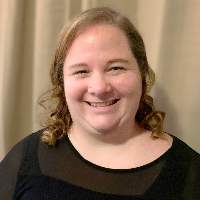
- Focus on goals
- Skill building
- Collaborative care
About Kimberly
She uses approaches like Cognitive Behavioral Therapy and Dialectical Behavior Therapy to address problems such as anxiety, depression, trauma, and relationship strain. Sessions often include skill building for emotion regulation, communication, and coping with stress. Kimberly also draws on Client-Centered Therapy to shape care around what clients need in the moment.
Her background includes work with children and youth involved in the child welfare system and with families facing crises. She has substantial experience supporting women who survived childhood sexual trauma, people in the LGBTQ community, and adults managing codependency and addictions. This experience informs a flexible, problem-focused way of working.
In sessions she balances long-term goals with immediate concerns. If a sudden stressor comes up, she helps people address it so they can return to broader progress. Her aim is practical: to help clients feel better in the areas that brought them to therapy.
Kimberly’s specialties include mood and anxiety disorders, trauma and PTSD, self-esteem and anger management, parenting and adoption-related issues, and career-related concerns. She encourages people to take the first step toward change and supports them through the process.
Areas of expertise
Primary focus
Also works with
Additional focus areas
Therapeutic approaches
Experience
11+ years
Credentials
Florida, North Carolina
Languages
English
How Kimberly’s approaches translate to online care
Client-Centered Therapy focuses on the client's own goals and experience, with the clinician following the person's lead to identify what matters most. Cognitive Behavioral Therapy helps people identify unhelpful thoughts and try different behaviors to reduce anxiety and depression. Dialectical Behavior Therapy teaches practical skills for emotion regulation, distress tolerance, and improved communication in stressful moments.Finding the right approach is part of the work. Kimberly collaborates with each client to decide which methods best fit their needs, goals, and preferences. She adjusts techniques over time so sessions match what is most useful in the moment.
Specific session formats are not listed in the biography, so confirm current options before booking. Online work can make it easier to fit therapy into a busy life - for example, shorter check-ins during a work break, or choosing a session style that does not require video. Many people find online sessions help maintain consistency and integrate new skills into daily routines.
Frequently asked questions
What kinds of problems does Kimberly help with?
She works with stress, anxiety, depression, trauma and abuse, relationship and communication problems, addiction and codependency, grief, parenting and adoption concerns, career-related issues, and a range of other challenges listed in her specialties.
What is her therapeutic style like?
Her style is practical and client-centered, combining Cognitive Behavioral Therapy and Dialectical Behavior Therapy when useful. She focuses on immediate needs while keeping sight of longer-term goals.
How long has she been practicing?
She has 11 years of clinical experience, including work with children and youth in the child welfare system and with adults affected by trauma, addiction, and relationship struggles.
What credentials does she hold and where is she based?
She is a Licensed Mental Health Counselor with credentials listed as LMHC and LCMHC and practices in North Carolina.
In which languages can sessions be conducted?
Sessions are offered in English.
Can people outside the United States work with her?
She does not accept international clients at this time.
How much do sessions cost?
Cost varies with location and therapist availability; sessions use a subscription that can be canceled at any time.
How do I begin if I want to work with her?
Click the Start Therapy button, complete a short matching questionnaire, and schedule according to the therapist's availability.