- CBT and person-centered
- Practical skill building
- Support for career concerns
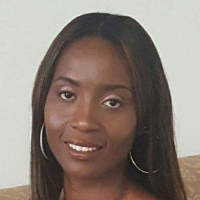
About LaShica
She has worked in community and clinical settings with adults who have mental illness, people with developmental disabilities, and those facing substance use challenges. She has provided individual and group counseling for young adults in transitional housing and has offered counseling in both clinic and home settings.
LaShica draws from an eclectic approach with strong emphasis on cognitive-behavioral methods and person-centered care. That means sessions often focus on identifying unhelpful thoughts and building practical skills, while also creating space to listen and reflect on what matters most to the person. She aims to help people make clear choices about their next steps.
Common concerns she supports include stress, anxiety, depression, grief, trauma and abuse, relationship and intimacy-related issues, parenting and family strain, anger, self-esteem, and career stress. She favors straightforward conversation and action steps that can fit into daily life.
Outside of work she is married with two children and enjoys weightlifting, running, and softball. She invites people who want a direct, supportive approach to consider starting the process and learning what might help for their situation.
Areas of expertise
Primary focus
Also works with
Experience
12+ years
Credentials
North Carolina
Languages
English
How her therapy approaches work online
LaShica uses evidence-based techniques in her work, including cognitive-behavioral methods and person-centered care. Cognitive-behavioral techniques focus on identifying unhelpful thoughts and testing new behaviors to reduce anxiety and depressive patterns. Person-centered care emphasizes listening, empathy, and helping the person make their own choices about change.Finding the right approach is part of the process. She will work collaboratively to choose methods that match a person’s goals, needs, and preferences. That can mean trying a practical skill one week and focusing on reflective listening the next.
If you are considering online sessions, confirm the exact session formats before booking since formats are not specified here. Online therapy can make it easier to fit care into a busy life, reduce travel time, and allow shorter check-ins when schedules are tight. It can also let people join from different locations within the same state. Ask about session length, frequency, and any technical needs when you schedule to make sure the plan fits your routine.
Frequently asked questions
What kinds of problems does she help with?
She works with adults on issues like anxiety, depression, grief, trauma and abuse, stress, anger, relationship concerns, intimacy-related issues, self-esteem, parenting and family strain, and career-related stress.
How would you describe her therapeutic style?
Her style blends cognitive-behavioral techniques with person-centered care. She focuses on clear skills and thoughtful listening so people can try practical changes between sessions.
What is her background and experience?
She has 12 years of counseling experience, including work with adults with mental illness, developmental disabilities, and substance use, plus individual and group work with young adults in transitional housing.
Where is she based and what are her credentials?
She practices in North Carolina and holds the LCMHC credential, which stands for Licensed Clinical Mental Health Counselor, with licensure in NC.
In which languages are sessions offered?
Sessions are offered in English.
Can international clients work with her?
She does not accept international clients at this time.
How are costs handled?
Cost varies with location and therapist availability; sessions use a subscription that can be canceled at any time.
How do I begin working with her?
Start by selecting the Start Therapy button, completing a short matching questionnaire, and then scheduling based on therapist availability.