- Existential perspective
- Addiction experience
- Goal focused support
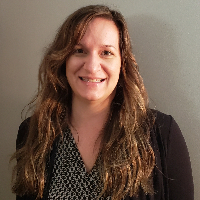
About Leslie
Leslie began her career mainly as a substance abuse counselor and has spent much of her time supporting people with co-occurring concerns. That background means she is familiar with addiction, drug and alcohol issues, and the complicated feelings that come with trauma. She also supports people dealing with bipolar disorder, ADHD, grief, anger, compassion fatigue, and relationship or family stress.
Her approach is rooted in existential ideas about meaning and purpose. She blends that with a person-centered way of working that centers the client's goals. Cognitive behavioral ideas and motivational interviewing also appear in sessions when they fit the person's needs.
In practice Leslie helps people name what matters to them and set brief, realistic goals. Conversations aim to turn painful experiences into clearer options and usable next steps. She encourages allowing strong emotions to be felt while staying focused on progress.
People who choose to work with Leslie are invited to take a first step by completing a short matching questionnaire and scheduling a session. She works from North Carolina and conducts sessions in English for those based in the United States.
Areas of expertise
Also works with
Additional focus areas
Therapeutic approaches
Experience
10+ years
Credentials
North Carolina
Languages
English
How therapeutic approaches show up in online work
Client-Centered Therapy focuses on listening and reflecting so people feel understood and can identify their own goals. This approach helps when someone needs a respectful space to sort through career choices, relationship stress, or life changes.Cognitive Behavioral Therapy (CBT) looks at how thoughts, feelings, and actions connect. It offers simple exercises to test unhelpful beliefs and build practical coping skills for anxiety, depression, and stress.
Eye Movement Desensitization and Reprocessing (EMDR) addresses traumatic memories by pairing focused recall with bilateral stimulation; it can reduce the intensity of trauma-related reactions for people who have experienced abuse or violence.
Finding the right approach is part of the work. Leslie will talk with each person about goals and preferences and together decide which methods to try. That collaborative process allows techniques to be adjusted if something isn’t helping.
If you want online sessions, confirm the current session options before booking. Many people value online therapy because it can make scheduling easier, reduce commute time, and let sessions fit into a lunch break or evening routine. Some formats are quicker check-ins while others allow longer in-depth work, so ask which options are available when you schedule.
Frequently asked questions
What kinds of concerns does this therapist address?
Leslie works with people facing addictions, trauma and abuse, anxiety, depression, bipolar disorder, ADHD, grief, and career stress among other issues.
How would you describe the therapy style here?
She uses an existential lens combined with a person-centered approach and draws on cognitive behavioral techniques and motivational interviewing when useful.
What is Leslie's clinical background and experience?
She has ten years of experience and has mainly worked as a substance abuse counselor while also supporting people with co-occurring disorders.
Where is the therapist licensed and based?
Leslie holds the LCMHC credential and is licensed in North Carolina.
Which languages are supported for sessions?
Sessions are offered in English only.
Can people outside the United States work with this therapist?
International clients are not currently accepted; she works with people located in the United States.
How is cost and billing handled?
Cost varies with location and therapist availability; sessions use a subscription that can be canceled at any time.
What are the first steps to begin therapy?
Use the Start Therapy button, complete a short matching questionnaire, and then schedule based on therapist availability.