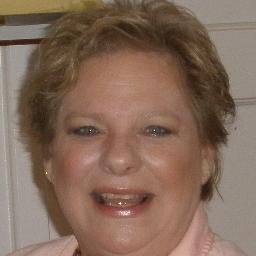
- Emotion regulation skills
- Career and life changes
- Relationship support
About Linda
Her style is flexible and collaborative. She mixes approaches to match each person’s needs and teaches simple tools to manage strong emotions. She emphasizes emotional regulation and hands-on strategies that people can use between sessions.
Linda has worked across a wide age range and mentions experience with ages 5 to 75. That background includes workplace issues, parenting concerns, anger management, PTSD symptoms, and mood disorders. She also notes experience addressing caregiver strain, blended family dynamics, and commitment or intimacy-related questions.
Sessions are conversational and practical. Linda aims to make the first steps easier and to help people feel relaxed in the process. She guides each person toward clearer goals and steady progress rather than quick fixes.
Her dual licensure in Virginia and North Carolina is part of a long clinical career. People who want to begin are invited to follow the platform’s sign-up flow and schedule based on the therapist’s listed availability.
Areas of expertise
Primary focus
Also works with
Additional focus areas
Therapeutic approaches
Experience
28+ years
Credentials
Virginia, Virginia, North Carolina
Languages
English
How Linda’s Approaches Work Online
Client-Centered Therapy focuses on listening and understanding the person’s experience. The therapist follows the client’s pace and helps people name their feelings and goals. Cognitive Behavioral Therapy (CBT) looks at thinking patterns that keep problems going and teaches practical exercises to change those patterns, which can help with anxiety, depression, and stress. Psychodynamic Therapy pays attention to patterns that repeat in relationships and personal history, helping people see how past experiences influence present behavior.Choosing the right approach is part of the work. Linda will collaborate with each person to decide which methods fit their needs, goals, and preferences. That choice can change over time as progress is made and priorities shift.
If you plan to try online therapy, confirm the available session formats before booking. The main practical benefits include easier scheduling around work or family, fitting sessions into a regular routine, and using methods that let people practice tools between meetings. Phone or video options often make shorter check-ins and follow-ups simpler, while other arrangements may better suit different daily schedules. Ask about specific session options when you sign up so sessions can be arranged to fit real life.
Frequently asked questions
What kinds of concerns does Linda address?
She works with stress, anxiety, depression, relationship and family issues, grief, addictions, career concerns, ADHD, bipolar mood concerns, and related topics listed in her specialties.
How would you describe her therapeutic style?
Her approach is down-to-earth and interactive. She tailors methods to each person and teaches simple techniques for managing emotions.
What is her background and experience?
She has 28 years of experience in psychotherapy and reports broad experience across many presenting issues and age ranges from 5 to 75.
Which credentials and where is she licensed?
She holds LPC and LCMHC credentials with licensing noted in Virginia and North Carolina.
In which language are sessions offered?
Sessions are offered in English.
Can people outside the United States work with her?
She does not accept international clients at this time.
How are fees and payment handled?
Cost varies by location and therapist availability; sessions use a subscription that can be canceled at any time.
What do I do to begin working with her?
Select the Start Therapy button, complete the short matching questionnaire, and schedule a session according to the therapist’s availability.