- Substance use support
- LGBT issues
- Practical skills
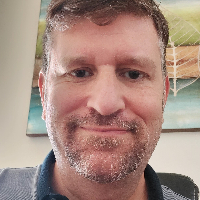
About Mark
In sessions he uses straightforward conversation, humor, and practical strategies to help people make progress. He draws from client-centered methods to keep the conversation focused on each person's needs. He also uses cognitive behavioral techniques to identify unhelpful thinking and mindfulness to teach simple ways to calm the mind.
His lived experience in recovery informs his approach to addiction and substance use concerns. That perspective shapes how he talks about relapse, coping skills, and long-term maintenance without judgment. He also addresses sexuality, identity, and related life transitions with direct, respectful talk.
People often come for help with relationship and communication problems, career questions, grief, or low self-esteem. He works to break big problems into small, doable steps. Sessions balance practical skill-building with time to talk through emotions.
Mark asks questions, reflects what he hears, and offers tools clients can try between meetings. The aim is steady progress toward clear goals. He collaborates with each person to shape therapy around their priorities and pace.
Areas of expertise
Primary focus
Also works with
Additional focus areas
Therapeutic approaches
Experience
20+ years
Credentials
Florida
Languages
English
How his approaches translate to online care
Client-centered therapy focuses on listening and responding to each person's experience. The therapist follows the client's lead, reflects what is said, and helps people set goals that matter to them. This approach helps when someone needs a space to talk, be heard, and make choices about next steps.Cognitive behavioral therapy (CBT) looks at how thoughts, feelings, and actions are linked. It breaks problems into concrete patterns and offers practical exercises to test new ways of thinking. CBT is often helpful for anxiety, mood issues, and habits related to substance use.
Mindfulness therapy teaches simple attention and breathing practices to reduce reactivity and improve focus. These short exercises can be useful for stress, cravings, and managing intense emotions.
Finding the right approach is part of the work. The therapist will collaborate with each person to decide which methods fit their goals and comfort level. He adjusts techniques over time based on progress and feedback.
Confirm the specific session formats before booking because the profile does not list them. Online sessions can make it easier to schedule appointments around work, study, or family commitments. They also allow shorter check-ins when needed and remove the need to travel, which can help maintain consistency during busy weeks.
Frequently asked questions
What concerns does this therapist address?
He works with stress, anxiety, addictions, depression, bipolar mood issues, grief, self-esteem, intimacy concerns, and career-related questions among other topics.
What is his therapeutic style?
He uses a client-centered approach and builds rapport with humor and direct talk, then combines practical techniques like CBT and mindfulness as needed.
How much experience does he have?
He has more than 20 years of counseling experience, including focused work related to substance use and LGBT matters.
What credentials and location information are on file?
He is a Florida licensed mental health counselor, listed as LMHC, and practices in Florida.
Which languages are supported and can international clients connect?
Sessions are offered in English, and he does accept international clients.
What session formats are offered?
Please confirm current session options before booking, as the therapist's original profile did not list specific formats.
How does cost work for sessions?
Cost varies with location and therapist availability; sessions use a subscription model that can be canceled at any time.
How do I begin working with him?
Start by selecting the Start Therapy button, completing a short matching questionnaire, and scheduling according to the therapist's availability.