- Career guidance
- Grief support
- Trauma-informed
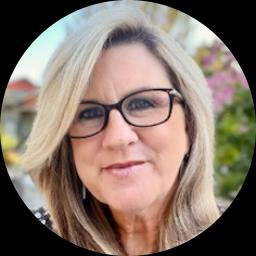
About Mary
Her style is flexible and client-centered. She aims to create a nonjudgmental space and invites feedback so sessions can shift to what helps most. Sessions focus on practical steps, skill-building, and talking through painful events or stuck patterns.
Mary uses a mix of approaches and tailors them to each person’s needs. She draws on client-centered work to follow the client's priorities, solution-focused tools to set short-term goals, and EMDR when trauma processing is appropriate. She also incorporates psychodynamic ideas to look at recurring patterns and what they mean now.
Her background includes a master’s degree from Nova Southeastern University and clinical work across hospice, community health, and private practice. She has experience with grief support, children and teen services, group facilitation, and supporting people with chronic illness.
Mary emphasizes collaboration. She helps clients define goals, practice coping strategies, and notice changes over time. She is open about the fit process and encourages honesty if someone feels a different match would work better.
Areas of expertise
Primary focus
Also works with
Additional focus areas
Therapeutic approaches
Experience
3+ years
Credentials
Florida
Languages
English
How Mary’s Approaches Translate to Online Work
Client-centered therapy focuses on listening and following what matters most to the client. The therapist mirrors concerns, asks questions, and helps the client set the agenda for each session. This approach supports people working through life changes, relationship struggles, or career decisions.Eye Movement Desensitization and Reprocessing (EMDR) is a method used to help people process traumatic memories. In practice it involves guided attention and step-by-step processing to reduce the intensity of painful memories and related symptoms. It can be useful for post-traumatic stress, abuse, and significant loss.
Finding the right approach is part of the work together. The therapist and client will discuss goals, try methods that fit those goals, and adjust the plan as needed. Decisions about which techniques to use are collaborative and based on the client’s comfort and progress.
Online therapy can make it easier to fit sessions into a busy life, because it removes travel time and can allow scheduling around work or caregiving. Depending on the options Mary supports, online work can allow shorter check-ins, sessions during a lunch break, or continued care when relocation or travel would otherwise interrupt therapy. Confirm the exact session formats available before booking to match how you want to meet.
Frequently asked questions
What concerns does Mary commonly address?
She works with stress, anxiety, grief, depression, career questions, relationship and family challenges, trauma and abuse, parenting issues, bipolar disorder, ADHD, and related concerns.
How would you describe her therapeutic style?
Her approach is client-centered and adaptable. She invites feedback and combines short-term goal work with deeper exploration depending on need.
What kind of experience does she bring?
Mary has three years of clinical experience that includes hospice grief work, community health with children and teens, private practice, and support group facilitation.
What credentials and region are listed?
She is a Licensed Mental Health Counselor, LMHC, licensed in Florida and practices from that state.
Which languages and international options are available?
Sessions are offered in English and international clients are accepted.
What session formats are offered?
The original biography does not specify session formats; please confirm the available session options before booking.
How are costs and payment handled?
Cost varies with location and therapist availability; sessions use a subscription that can be canceled at any time.
How do I begin working with Mary?
Choose the Start Therapy button, complete a short matching questionnaire, and then schedule according to the therapist's availability.