- Goal oriented support
- Faith integrated option
- Practical coping skills
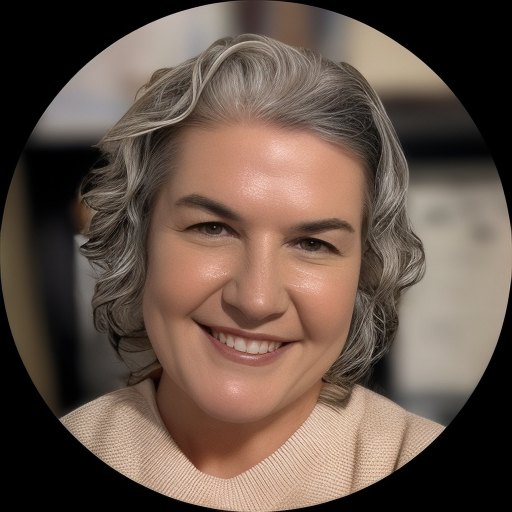
About Mary
She helps people facing stress, anxiety, depression, grief, and anger. She also supports those coping with trauma and abuse, obsessive-compulsive concerns, ADHD, and bipolar mood challenges. Career and workplace issues, parenting strains, body image, and relationship problems are part of her practice as well.
Her approach mixes practical thinking and present-focused strategies. Cognitive Behavioral Therapy (CBT) and Acceptance and Commitment Therapy (ACT) are part of her toolkit, along with attachment-based and client-centered work. She also uses mindfulness and narrative ideas to help people notice patterns and try new responses.
Mary Jo can include faith in therapy when clients want that option. She describes a biblically integrative approach for those who prefer a Christian perspective, pairing psychological tools with spiritual beliefs. She explains this choice as voluntary and tailored to each person’s preferences.
She is licensed in Georgia and practices in North Carolina as well. Sessions are scheduled during weekday mornings and early afternoons, and she asks people to use the site process to match and book. Beginning therapy is framed as a step toward feeling less stuck and finding practical ways forward.
Areas of expertise
Primary focus
Also works with
Additional focus areas
Therapeutic approaches
Experience
12+ years
Credentials
Georgia, North Carolina
Languages
English
Approach-driven online care for everyday challenges
Mary Jo commonly uses Cognitive Behavioral Therapy and Acceptance and Commitment Therapy in her work. CBT focuses on identifying unhelpful thoughts and testing new behaviors to change feelings. ACT helps people clarify values and take small actions that align with what matters, even when anxiety or strong emotions are present.She also draws on attachment-based and client-centered ideas when helpful, paying attention to how close relationships shape feelings and offering a respectful, listening stance. Choosing the right mix of approaches is a collaborative process. The therapist will talk about goals and preferences and adjust the plan as clients learn what helps them most.
Session formats are not specified here, so confirm current options before booking to know whether phone, video, or other formats are available. Online sessions can make it easier to fit therapy into workdays, reduce travel time, and allow shorter check-ins when a full in-person visit would be hard to schedule. These practical benefits help many people maintain consistency while working toward clearer goals and better daily coping.
Frequently asked questions
What kinds of problems does she address?
She works with stress, anxiety, depression, grief, anger, trauma and abuse, OCD, ADHD, bipolar challenges, and related concerns like body image and workplace issues.
How would you describe her therapy style?
Her style is warm and goal-focused. She emphasizes trust, motivation, and practical steps while moving at each person's pace.
What is her clinical background and experience?
She has 12 years of clinical experience working with a wide range of emotional and behavioral concerns, including multicultural and faith-related issues.
What credentials does she hold and where is she based?
She holds LPC and LCMHC credentials and practices in North Carolina while also licensed in Georgia.
Which languages are sessions offered in?
Sessions are offered in English.
Can people outside the United States work with her?
She does not accept international clients at this time.
How are sessions arranged and what does it cost?
Cost varies by location and use of a subscription that can be canceled at any time; specific session pricing depends on location and the subscription terms.
How do I begin if I want to work together?
Use the Start Therapy button, complete the short matching questionnaire, and schedule a time according to the therapist's availability.