- Goal oriented
- Strengths focused
- Practical tools
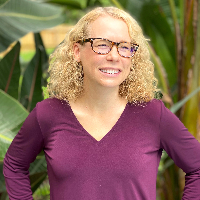
About Mary
She uses straightforward conversation and a collaborative style to identify small, workable steps people can try between sessions. Her work often centers on stress, anxiety, ADHD, compassion fatigue, and relationship or family concerns. Mary also supports people facing grief, career questions, parenting pressures, and issues around self-esteem and life purpose.
Sessions are shaped around the individual rather than a single method. She draws from client-centered ideas, cognitive behavioral tools, mindfulness, and solution-focused techniques to match each person’s needs. That means sessions may include skill building, thought tracking, and brief experiments to test new behaviors.
Mary aims to create a nonjudgmental space where people can talk through shame, guilt, control struggles, codependency, and communication problems. Her approach emphasizes practical change and recognizing existing strengths. Clients commonly work on clearer boundaries, healthier coping, and more confident decision making.
Her experience in schools gives her perspective on adolescents and young adults, though she works with adults across many life stages. People who want active, goal-oriented help with everyday stresses and career-related questions may find her approach direct and supportive.
Areas of expertise
Also works with
Additional focus areas
Therapeutic approaches
Experience
6+ years
Credentials
Florida
Languages
English
Approaches you can try in online sessions
Client-centered therapy focuses on listening and building trust so clients feel heard and supported; it helps when someone needs a calm space to sort out goals and values. Cognitive behavioral therapy, or CBT, looks at how thoughts influence feelings and actions and teaches concrete techniques to change unhelpful patterns, which is useful for anxiety, stress, and mood struggles.Choosing the right approach is part of the work together. The therapist will ask about goals, try methods that fit the client's needs, and adjust plans based on what helps. That collaboration means sessions can be reshaped over time as progress and priorities become clearer.
Confirm current session options before booking since formats are not specified here. Online therapy can make it easier to fit sessions into a busy life by reducing travel time and allowing appointments during lunch breaks or between commitments. It also lets people try shorter check-ins or full sessions depending on what they need that week. Talk with the therapist when scheduling to match session length and timing to everyday routines.
Frequently asked questions
What concerns does Mary commonly address?
She helps people with stress, anxiety, ADHD, compassion fatigue, and low self-esteem. She also supports work on relationship issues, grief, parenting, career questions, and life transitions.
What is her therapeutic style like?
Her style is collaborative and direct, using practical steps and skill practice. Sessions focus on identifying goals and testing small changes between meetings.
What experience does she bring to sessions?
Mary has six years of clinical experience and prior work in public education. That background informs how she speaks with adolescents, young adults, and adults about everyday challenges.
What credentials and location are listed?
She holds the credential LMHC which stands for Licensed Mental Health Counselor and practices in Florida.
Which languages are sessions offered in?
Sessions are offered in English.
Are international clients supported?
International clients are not currently accepted.
How are fees and billing handled?
Cost varies with location and therapist availability; sessions use a subscription model that can be canceled at any time.
How do I begin if I want to work together?
Select the Start Therapy button, complete a short matching questionnaire, and schedule according to the therapist's availability.