- Focus on coping skills
- Combines humanistic and CBT
- Works with adult concerns
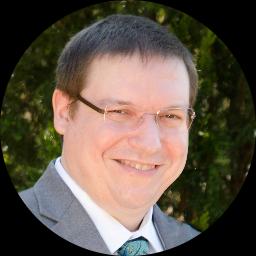
About Michael
He uses straightforward, talk-based sessions where the goal is clear: make life more manageable. Sessions emphasize skills you can use between meetings. Michael aims to help people set realistic goals and notice small changes that add up over time.
Michael earned a Doctor of Psychology degree in Clinical Psychology from the Illinois School of Professional Psychology. His profile lists sixteen years of professional experience as a psychologist working in clinical settings. He holds licensure as an Iowa Psychologist and as a North Carolina Psychologist, recorded as IA Psychologist 126366 and NC Psychologist 3995.
In practice he combines humanistic ideas with cognitive-behavioral approaches to address symptoms and daily functioning. That means he pays attention to what matters to the person while also teaching concrete strategies to reduce worry and improve mood. The work is collaborative and paced to fit each person’s needs.
People often come for help with caregiver strain, chronic pain or illness, communication and commitment issues, feelings of emptiness, family of origin concerns, fatherhood matters, first responder stress, and questions about life purpose. Sessions are conducted in English and based in Iowa. If you want to proceed, follow the site's steps to connect and schedule a first meeting.
Areas of expertise
Primary focus
Additional focus areas
Experience
16+ years
Credentials
Iowa, North Carolina
Languages
English
How evidence-based techniques translate to online work
Michael blends humanistic listening with cognitive-behavioral methods to help people manage symptoms and build useful skills. Humanistic approaches focus on understanding a person's experience and values, helping them clarify what matters and set personally meaningful goals. Cognitive-behavioral techniques teach concrete tools to change unhelpful thoughts and behaviors, which can reduce anxiety and improve daily functioning.Choosing the right approach is part of the process. The therapist works collaboratively with each person to decide which strategies fit their goals and preferences, and adjusts methods over time based on what is most helpful.
Session formats are not specified in the biography, so confirm current options before booking. In general, online therapy can make it easier to fit meetings into a busy life, shorten travel time, and allow check-ins around work or caregiving schedules. It can also allow sessions that focus on skill practice, problem-solving, and planning between meetings without requiring travel.
Frequently asked questions
What problems does he help with?
He helps people facing stress, anxiety, trauma and abuse, low self-esteem, career questions, and major life changes, plus related issues like caregiver stress and chronic illness.
What is the therapy style like?
Sessions are conversational and goal-oriented, combining humanistic listening with cognitive-behavioral techniques to teach practical coping skills and change unhelpful patterns.
How many years has he practiced?
He has sixteen years of professional experience working as a psychologist in clinical settings.
What credentials and location are listed?
He holds licensure as an Iowa Psychologist and a North Carolina Psychologist, listed as IA Psychologist 126366 and NC Psychologist 3995, and is based in Iowa.
In which language are sessions offered?
Sessions are offered in English.
Can international clients work with him?
International clients are not currently accepted.
How is cost handled?
Cost varies with location and therapist availability; sessions use a subscription that can be canceled at any time.
How do I begin therapy?
Use the Start Therapy button, complete a short matching questionnaire, and schedule according to the therapist's availability.