- Skills driven
- Practical guidance
- Goal focused
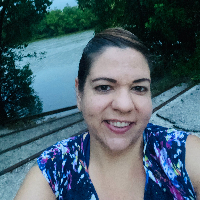
About Michelle
Her background includes a Master of Social Work from Georgia State University and a bachelor’s degree in psychology from Penn State University. She has worked across inpatient crisis stabilization, residential programs, and outpatient therapy. That experience gives her a broad view of how problems show up at different life stages.
In sessions Michelle emphasizes gaining insight, learning skills, and developing realistic plans. She draws on client-centered methods to keep the work focused on each person’s goals. Cognitive techniques are used to examine unhelpful thinking and create new behavior patterns.
Michelle also uses techniques from dialectical behavior therapy and mindfulness approaches to help manage strong emotions and reduce reactivity. Motivational interviewing helps when people feel stuck or are working on substance use and habit change. Together these approaches are used to set short-term goals and track small gains.
Her practice aims to be collaborative and straightforward. People who want direct feedback, practical tools, and a therapist who will help them prioritize changes may find her style useful.
Areas of expertise
Primary focus
Also works with
Additional focus areas
Therapeutic approaches
Experience
25+ years
Credentials
Florida
Languages
English
Approaches used in online sessions and what they do
Client-centered therapy focuses on your goals and priorities and helps the therapist follow what matters most to you. It is useful when you want a space to talk things through and shape the work around your needs.Cognitive behavioral therapy (CBT) looks at the links between thoughts, feelings, and actions. It helps break down problems into teachable skills and is often used for anxiety, depression, and patterns that affect work or relationships.
Dialectical behavior therapy (DBT) teaches practical emotion regulation, distress tolerance, and interpersonal skills. Those tools can be helpful when emotions feel overwhelming or when communication repeatedly breaks down.
Finding the right approach is part of the work together. The therapist will talk with each person about goals, preferences, and what feels helpful, and then suggest techniques to try. That collaborative process makes it easier to adjust the focus over time.
Session formats are not specified in the biography, so confirm current options before booking. Online sessions can help fit therapy into a busy schedule, reduce travel time, and make regular check-ins easier during work breaks or hectic weeks. They also allow sessions to concentrate on skill practice, thought work, and tracking small changes between meetings.
Frequently asked questions
What issues does she commonly address?
She works with stress, anxiety, depression, addictions, grief, relationship and family concerns, bipolar disorder, and career questions among other issues.
What is her therapeutic style like?
Her style is collaborative and practical. Sessions focus on insight, skill-building, and steps you can try between meetings.
How long has she practiced therapy?
She has 25 years of experience as a mental health and substance abuse counselor and has held an LCSW in Florida since 2012.
Where is she licensed and based?
She is a licensed clinical social worker (LCSW) in Florida and practices from that state.
Which languages are supported for sessions?
Sessions are offered in English.
Can international clients work with her?
She is not currently accepting international clients.
How are fees and billing handled?
Cost varies with location and therapist availability; sessions use a subscription that can be canceled at any time.
How do I begin if I want to work with her?
Use the Start Therapy button, complete a short matching questionnaire, and schedule based on the therapist's availability.