- Client-centered approach
- Strengths focused care
- Practical problem solving
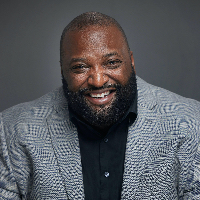
About Patrick
He describes an adaptable, person-focused style that centers the individual in conversation. Sessions aim to be respectful and nonjudgmental. He emphasizes listening first, then shaping a plan that matches each person’s goals.
Over 30 years Dr. Casthely has worked with many kinds of concerns, from trauma and grief to intimacy and parenting struggles. He also addresses topics such as body image, chronic illness, caregiver stress, and issues connected to sexuality and kink. His background includes both mental health and substance use work.
Clinically he draws on client-centered ideas and cognitive approaches, along with existential and narrative perspectives. That mix informs how he helps people reframe thoughts, clarify values, and set practical steps between sessions.
People who prefer a collaborative, strengths-based process may find his approach useful. He encourages clients to name their goals and to try options that fit their life. To begin, a short matching questionnaire is used, then scheduling follows according to availability.
Areas of expertise
Primary focus
Also works with
Additional focus areas
Therapeutic approaches
Experience
30+ years
Credentials
Florida
Languages
English
How these approaches shape online work
Client-centered work focuses on listening and responding to each person’s concerns. The therapist follows the client’s lead, reflects what matters to them, and helps clarify goals and next steps. Cognitive Behavioral Therapy (CBT) looks at the links between thoughts, feelings, and actions, and uses practical exercises to shift patterns that cause distress. Existential therapy emphasizes meaning and choice, helping people weigh values and make decisions when life feels uncertain.Finding the right approach is part of the work together. He will discuss different methods and collaborate on what feels most useful for a person’s goals. The plan can change over time as needs and priorities shift.
Because the original biography does not list specific online session formats, confirm current session options before booking. In general, remote therapy can make it easier to fit sessions into a busy week, avoid travel time, or choose a shorter check-in when schedules are tight. It can also allow work on thinking and behavior exercises between sessions, and let a person continue therapy while living in Florida or when relocating within the same state. Licensed professionals can adapt these approaches to work by conversation, homework, and goal-setting across sessions.
Frequently asked questions
What kinds of problems does he help with?
He works with stress, anxiety, addictions, depression, relationship and career concerns, and a wide range of other issues such as grief, trauma, parenting, and intimacy-related matters.
How would you describe his therapeutic style?
He uses an adaptable, person-focused style that combines listening with practical steps. The work often blends talk about values with concrete behavior changes.
How much experience does he have?
He has 30 years of experience in clinical settings including community mental health, substance abuse treatment, and private practice.
What are his credentials and where is he located?
He is an LMHC - Licensed Mental Health Counselor - practising in Florida.
Which languages are sessions offered in?
Sessions are offered in English.
Can people outside the U.S. work with him?
He does not accept international clients at this time.
How much do sessions cost?
Cost varies with location and therapist availability; sessions use a subscription that can be canceled at any time.
What is the first step to begin therapy?
Select the Start Therapy button, complete a short matching questionnaire, and then schedule sessions according to therapist availability.