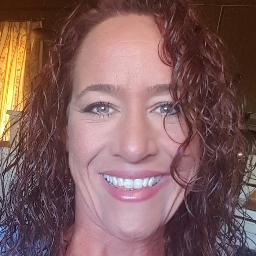
- 20 years experience
- Focus on trauma
- Career concerns
About Paula
Her practice focuses on reducing symptoms and building skills that fit real life. She addresses obsessive-compulsive patterns, self-harm behaviors, and recovery after sexual assault. Paula also helps people navigate seasonal mood shifts and the emotional effects of personality differences.
Paula uses a range of therapy methods to match each person’s needs. Sessions often include learning new coping tools, practicing emotion regulation, and looking at how past attachments shape current relationships. She guides people through clear steps rather than offering only abstract talk.
Clients can expect a calm, nonjudgmental presence and straightforward feedback. Paula aims to help people notice what works, set achievable goals, and try small changes that add up. Her North Carolina practice centers on steady progress over time.
Grounded in years of front-line experience, Paula blends practical techniques with empathic listening. She helps people who are struggling with addiction, low self-esteem, anger, compassion fatigue, ADHD, and intimacy-related concerns. Her work is focused on real-world improvements and restoring a sense of control.
Areas of expertise
Primary focus
Also works with
Additional focus areas
Therapeutic approaches
Experience
20+ years
Credentials
North Carolina
Languages
English
How her approaches translate to online therapy
Acceptance and Commitment Therapy helps people notice difficult thoughts and feelings without getting stuck in them. It focuses on identifying personal values and taking steps toward a meaningful life, which can help with anxiety, depression, and career reassessment.Cognitive Behavioral Therapy looks at links between thoughts, feelings, and actions. It teaches practical skills for shifting unhelpful thinking and changing behaviors, useful for OCD patterns, mood concerns, and coping with stress.
Finding the right approach is part of the work together. Paula will collaborate with each person to decide which methods match their goals, needs, and everyday rhythms. She may combine techniques so sessions fit what the individual finds most helpful.
If you are considering online sessions, confirm the specific session formats before booking since formats were not specified in the biography. Many people appreciate online therapy because it can fit into a busy schedule, reduce travel time, and allow shorter check-ins when needed. Others find video meetings helpful for role-playing conversations and practicing new skills. Discussing logistics and format preferences is part of the first steps when arranging sessions.
Frequently asked questions
What concerns does Paula commonly help with?
She works with stress, anxiety, depression, relationship and family issues, trauma and abuse, grief, addictions, and career-related concerns among other topics.
What is her therapy style like?
Her style is empathic and straightforward, focusing on practical skills, emotion regulation, and looking at how past relationships affect current patterns.
How much experience does she bring to sessions?
Paula brings 20 years of clinical experience as a licensed social worker in North Carolina.
What credentials and location are listed?
She is an LCSW licensed in North Carolina and practices from that state.
Which languages are supported and are international clients accepted?
Sessions are offered in English and international clients are not currently accepted.
What session formats are available?
The original biography does not specify session formats; please confirm current session options before scheduling.
How does cost and subscription work?
Cost varies with location and therapist availability; sessions use a subscription that can be canceled at any time.
How do I begin therapy with Paula?
Click the Start Therapy button, complete a short matching questionnaire, and schedule according to therapist availability.