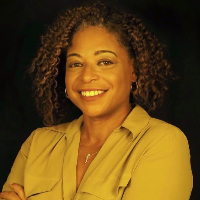
- Strength focused
- Skills driven
- Warm listening
About Rachel
Her approach centers on the person in front of her. Sessions focus on building on strengths and finding realistic steps to reduce overwhelm. She uses clear, participatory conversations rather than long lectures, so people can try tools between meetings.
Rachel blends client-centered listening with cognitive-behavioral methods and elements of mindfulness. This mix helps people notice unhelpful patterns, test new ways of thinking, and calm the body when emotions run high. Sessions also draw on attachment ideas to look at how relationships shape feelings and reactions.
She has worked across many concerns including trauma and abuse, compassion fatigue, addiction, communication problems, and end-of-life caregiving stress. Rachel also supports people navigating divorce, codependency, and difficulties with control or commitment. Her background includes experience with veteran and armed forces issues and cancer-related care challenges.
In meetings she keeps language plain and goals practical. People who want tangible coping skills, clearer communication, and steadier mood regulation often find this approach helpful. To begin, readers should confirm current session options before booking and follow the site's steps to connect.
Areas of expertise
Primary focus
Also works with
Additional focus areas
Therapeutic approaches
Experience
20+ years
Credentials
Florida
Languages
English
How Rachel's Approaches Work Online
Attachment-based ideas look at how early and current relationships shape reactions today. In practice this means noticing patterns in close relationships and testing small changes to feel less reactive. Cognitive Behavioral Therapy, or CBT, helps people identify thoughts that increase anxiety or low mood and replace them with more helpful ways of thinking and acting. Mindfulness practice teaches simple attention and breathing skills to reduce overwhelm and make choices less impulsive.Choosing an approach is a team effort. Rachel will talk with each person about their goals and preferences, and then recommend techniques to try. Goals and methods can change as people learn what helps them feel steadier and more in control.
Confirm the current session options before booking so you know what formats are available. Online therapy can make it easier to fit appointments into a busy week, reduce travel time, and allow shorter check-ins when needed. It can also make it simpler to practice skills in everyday settings and maintain continuity of care during life transitions.
Frequently asked questions
What concerns does Rachel address?
Rachel works with stress, anxiety, grief, depression, career concerns, and parenting strain. She also supports people dealing with trauma, compassion fatigue, addictions, and relationship or family issues.
How would you describe her therapeutic style?
Her style is client-centered and interactive. Conversations focus on identifying strengths, practicing skills, and setting realistic steps between sessions.
What is her professional background?
She has 20 years of clinical experience and has worked with people facing PTSD, caregiving stress, cancer-related issues, and veteran-related concerns.
What credentials and location apply to this clinician?
She is a Licensed Clinical Social Worker, LCSW, licensed in Florida.
Which languages are supported in sessions?
Sessions are offered in English.
Can people outside the United States work with her?
International clients are not currently accepted; sessions are limited to applicable regions.
How are costs handled for sessions?
Costs vary with location and therapist availability; sessions use a subscription that can be canceled at any time.
What are the first steps to start therapy?
Select the Start Therapy button, complete the short matching questionnaire, and schedule according to the therapist's availability.