- Career guidance
- Stress and anxiety
- Trauma and grief
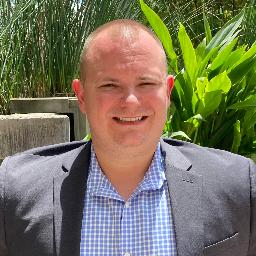
About Ryan
Clients can expect straightforward conversations and practical tools. He uses evidence-informed methods like cognitive behavioral ideas, acceptance strategies, and mindfulness to change unhelpful patterns. Sessions tend to center on skills people can use between visits.
Ryan also supports people dealing with medical and caregiving strains, chronic pain or illness, and the emotional fallout of cancer. He offers guidance for first responders, veterans, and men facing midlife or fatherhood challenges. He helps people sort money worries, grief after separation, and feelings of isolation.
His style leans toward collaboration and real-world problem solving. He listens for what matters most to each person and helps set small, manageable goals. Motivation and values are used to shape plans rather than long lists of abstract techniques.
With ten years of experience, Ryan brings steady clinical judgment and a calm presence to difficult topics. People who want clear steps, short-term coaching, or longer therapeutic work often find the mix of acceptance, attachment-focused perspective, and cognitive methods useful. Sessions are conducted in English in Florida.
Areas of expertise
Primary focus
Also works with
Additional focus areas
Therapeutic approaches
Experience
10+ years
Credentials
Florida
Languages
English
Approaches that translate to online work
Acceptance and Commitment Therapy (ACT) focuses on clarifying what matters most and taking committed steps toward those values while learning to accept difficult feelings. It can help with anxiety, life transitions, and finding direction in work or relationships. Cognitive Behavioral Therapy (CBT) breaks down how thoughts, feelings, and behaviors interact and teaches practical skills to change unhelpful patterns; it is often used for anxiety, depression, and stress. Mindfulness Therapy encourages present-moment awareness and simple practices to reduce reactivity and improve focus during stressful times.Choosing the right method is a collaborative process. The therapist will listen to current struggles, goals, and daily routines and then recommend a mix of approaches. Together the client and therapist adjust pace, set concrete goals, and try techniques to see what works in real life.
Confirm current session options before booking so you know how sessions are scheduled. Online work can make it easier to fit therapy into a busy week, allow shorter check-ins when needed, and reduce travel time around work or caregiving duties. It also lets people practice skills in the settings where they need them most, like handling workplace stress or using coping tools during medical appointments.
Frequently asked questions
What concerns does Ryan address?
He helps with stress, anxiety, depression, grief, career issues, relationship and intimacy problems, ADHD, and related concerns like compassion fatigue and caregiver stress.
How does he approach therapy?
Sessions mix acceptance-based work, cognitive behavioral strategies, attachment ideas, and mindfulness to build practical skills and clearer values-driven goals.
What is his clinical background?
He has ten years of clinical experience working with people facing trauma, life transitions, veteran and first responder issues, and medical or caregiving stress.
Where is he licensed and located?
He holds a Florida LMHC credential and practices in Florida.
Which languages are supported?
Sessions are offered in English.
Can international clients work with him?
International clients are not currently accepted; sessions are offered to clients based on his stated practice region and licensing.
How are fees and payments handled?
Cost varies with location and therapist availability; services use a subscription model that can be canceled at any time.
What are the steps to begin therapy?
Use the Start Therapy button, complete a short matching questionnaire, and schedule sessions according to the therapist's availability.