- Goal focused
- Warm and direct
- Practical tools
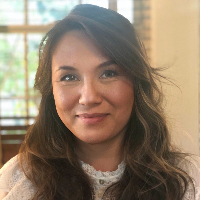
About Sarah
She has worked in outpatient clinics, in-home care, and programs focused on sexual assault, interpersonal violence, homelessness, and addictions. Sarah also served as a Behavioral Health Officer in the U.S. Army, which shaped her practical, problem-solving style. That background informs how she supports people facing complex stressors.
Sarah uses client-centered methods to prioritize each person’s perspective. She integrates Cognitive Behavioral Therapy (CBT) to identify unhelpful thinking and to try different behaviors. Solution-Focused Therapy guides short-term goal planning when people want practical steps and faster progress.
People often come to her for relationship and intimacy concerns, stress and anxiety, trauma and abuse, parenting strain, sleep problems, and career questions. She also works with issues such as abandonment, body image, codependency, communication problems, and compassion fatigue. Sessions focus on clear goals, coping tools, and real-life strategies.
Her meetings are collaborative and straightforward. Sarah encourages small, manageable changes and tracks progress together. Those looking to begin will use the site’s Start Therapy flow to match and schedule according to her availability.
Areas of expertise
Primary focus
Also works with
Additional focus areas
Therapeutic approaches
Experience
7+ years
Credentials
North Carolina
Languages
English
How her approaches shape online therapy
Sarah uses Client-Centered Therapy to build a respectful, listening-based relationship where the person’s goals guide each session. This approach helps when someone needs a place to talk through feelings and make sense of life changes.She also uses Cognitive Behavioral Therapy (CBT) to identify patterns of thinking that increase stress or anxiety and to try practical behavior changes. CBT is useful for sleep problems, anxiety, and habits that interfere with daily life.
Solution-Focused Therapy appears in brief goal-setting conversations to create small, achievable steps and track progress over time. This is helpful when someone wants clear, fast-moving strategies to address specific problems.
Finding the right approach is part of the work. She will collaborate with each person to decide which methods fit their needs, goals, and preferences. That choice may shift as therapy progresses, and the plan is revisited together.
Confirm the session formats available before booking, since this profile does not list specific options. Online therapy in general can make scheduling easier, help fit sessions into work or family routines, and allow shorter check-ins when less time is available. Talk with the therapist during the matching process to find session timing and a format that fit your life.
Frequently asked questions
What problems does she help with?
She supports people with relationship and intimacy issues, stress, anxiety, trauma and abuse, sleep problems, parenting strain, career concerns, and compassion fatigue, among other areas.
What is her therapeutic style?
Her style is warm, collaborative, and practical. She centers the person’s perspective and focuses on clear goals and manageable steps.
What experience does she have?
She has seven years of clinical experience and has worked in outpatient clinics, in-home care, and clinics addressing sexual assault, interpersonal violence, homelessness, and addictions.
What are her credentials and where is she based?
She holds the LCSW credential and practices in North Carolina.
Which languages are supported for sessions?
Sessions are offered in English.
Can people outside the U.S. work with her?
She is not currently accepting international clients.
How are sessions arranged and what formats are used?
Confirm current session options before booking, as the profile does not list specific formats. The site’s matching and scheduling flow will show available session types.
How does her pricing work?
Cost varies with location and therapist availability; sessions use a subscription that can be canceled at any time.