- Practical skill building
- Trauma-informed care
- Relationship focus
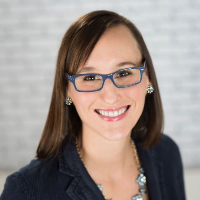
About Sarah
She trained in counseling after earning a bachelor’s degree in sociology in 2003 and a master’s degree in counseling in 2007 from John Carroll University. Her work history spans inpatient hospital care, community mental health, residential treatment, in-school therapy, and outpatient settings. That variety informs a practical approach to real-life problems.
In the room she uses clear, goal-oriented methods alongside reflective listening. Sessions often involve learning skills for managing strong emotions, changing unhelpful thinking, and repairing relationships. She also uses longer-term trauma processing when past events keep affecting day-to-day life.
Her additional focus areas include attachment and abandonment issues, codependency, substance problems, family of origin concerns, gender dysphoria, and struggles with shame or emptiness. She also lists support for parenting stress, sleep difficulties, and ADHD-related challenges.
Sarah aims to build a strong therapeutic relationship first. She encourages an initial phone or video chat to see if the match feels right. From there she and the client plan a path forward that fits the person’s goals and daily life needs.
Areas of expertise
Primary focus
Also works with
Additional focus areas
Therapeutic approaches
Experience
15+ years
Credentials
Florida
Languages
English
Therapeutic approaches to use in an online setting
Client-Centered Therapy focuses on listening closely and meeting the person where they are. The therapist offers empathetic support and helps clients outline their own goals for change.Cognitive Behavioral Therapy, or CBT, looks at the link between thoughts, feelings, and actions. It teaches straightforward skills to reduce anxiety, manage mood, and change unhelpful behavior patterns.
Dialectical Behavior Therapy, DBT, emphasizes emotion regulation, distress tolerance, and clearer communication. It can be useful for intense emotions, relationship problems, and coping with strong urges.
Finding the right approach is part of the work together. The therapist will collaborate with each person to choose methods that fit their goals, needs, and preferences. That choice can change over time as progress is made.
If you are considering online therapy, confirm the current session options before booking. The therapist can discuss how to fit sessions into a busy life and plan practical arrangements. Online sessions can make it easier to attend during work breaks, avoid travel time, or have a shorter check-in when that is most useful.
Frequently asked questions
What concerns does Sarah commonly address?
She helps people with stress, anxiety, addictions, trauma and abuse, grief, relationship and intimacy issues, career concerns, mood disorders such as depression and bipolar, and ADHD-related challenges.
How would you describe her therapy style?
Her style is direct and supportive, combining listening with practical tools. Sessions typically teach emotion regulation, coping skills, and ways to change unhelpful thinking.
What is her clinical background?
She has 15 years of experience across inpatient hospitals, community mental health, residential treatment, in-school therapy, and outpatient practice.
What are her credentials and where does she practice?
She is a licensed mental health counselor (LMHC) practicing in Florida.
Which languages are supported?
Sessions are offered in English.
Can people outside the U.S. work with her?
She does not accept international clients at this time.
How does payment and cost work?
Cost varies by location and therapist availability; sessions use a subscription that can be canceled at any time.
How do I begin working with her?
Click the Start Therapy button, complete a short matching questionnaire, and schedule according to therapist availability.