- Collaborative listening
- Practical tools
- Mindful strategies
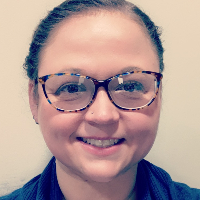
About Sharon
Sharon’s approach centers on listening and collaboration. She uses client-centered work to focus on each person’s goals. She also draws on cognitive behavioral techniques to help people notice and change unhelpful thinking and behavior patterns.
Her background includes roles as an advocate, case manager, and therapist, with extensive experience working alongside families and children. That history informs a practical style that values clear steps and steady progress. Sharon often combines mindfulness practices and motivational interviewing to help people stay engaged and build motivation for change.
Sharon supports people dealing with stress, anxiety, depression, grief, trauma and abuse, relationship concerns, parenting strain, sleep difficulties, career questions, and ADHD. She also works with issues such as self-esteem, intimacy-related challenges, bipolar disorder, compassion fatigue, and coping with life changes.
Sharon practices in North Carolina and holds credentials listed as LCSW and CSW. She speaks English and does not work with international clients. To begin, clients use the site Start Therapy button to complete a short matching questionnaire and schedule according to her availability.
Areas of expertise
Primary focus
Also works with
Therapeutic approaches
Experience
10+ years
Credentials
North Carolina, Colorado, Florida, California
Languages
English
How Sharon Uses Evidence-Based Methods Online
Client-centered therapy focuses on the person in front of the therapist. It emphasizes listening, empathy, and working at the client’s pace to set goals and address what matters most. This approach helps people feel heard and safe enough to try new steps.Cognitive Behavioral Therapy, or CBT, looks at the links between thoughts, feelings, and actions. It uses practical exercises and small behavioral changes to reduce anxiety, improve mood, and manage stressors like sleep problems or career pressure.
EMDR, or Eye Movement Desensitization and Reprocessing, helps people move through distress tied to traumatic memories by combining focused attention with guided processing. It can be considered when trauma symptoms are a primary concern.
Finding the right approach is part of the work. Sharon will collaborate with each person to decide which methods make the most sense based on goals, comfort level, and life demands. That choice is revisited as progress is made and needs change.
Confirm current session options before booking so you know how she is offering care. Online therapy can make it easier to fit sessions into a workday, cut travel time, and allow shorter check-ins when schedules are tight. Talk with Sharon during the initial matching steps about scheduling needs and how to make sessions fit everyday life.
Frequently asked questions
What concerns does Sharon commonly address?
She works with stress, anxiety, depression, trauma and abuse, grief, relationship and intimacy issues, parenting and family concerns, sleep problems, career questions, ADHD, bipolar, and compassion fatigue.
How would you describe her therapy style?
Her style is collaborative and calm. She focuses on listening, practical steps, and pacing work to each person's readiness.
What is her professional background?
She has ten years of experience in social work and has served as an advocate, case manager, and therapist working alongside families and children.
What credentials and location are listed?
She holds LCSW and CSW credentials and practices in North Carolina.
Which languages are supported for sessions?
Sessions are offered in English.
Can people outside the U.S. work with her?
She does not accept international clients.
How are fees and payment handled?
Cost varies with location and therapist availability; sessions use a subscription that can be canceled at any time.
What are the first steps to start therapy?
Use the Start Therapy button, complete a short matching questionnaire, and then schedule appointments based on her availability.