- CBT-informed care
- Goal focused
- Compassionate listener
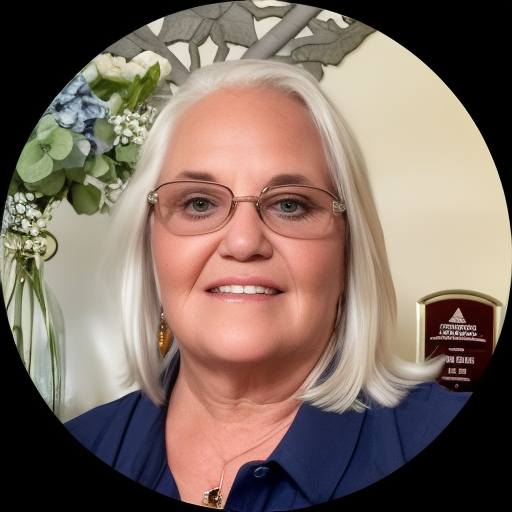
About Sheryl
Sheryl has 15 years of experience as an LPC. She listens for patterns such as overthinking, self-criticism, or isolation and then works with each person to set simple goals. Sessions are meant to be collaborative so clients can try new ways of coping and notice small changes over time.
Common topics she addresses include grief, anger, depression, compassion fatigue, and life changes. She also helps people who struggle with communication problems, guilt and shame, social anxiety, and finding life purpose. Career concerns are part of the range of issues she supports and discusses in sessions.
Sheryl uses Cognitive Behavioral Therapy, focusing on how thoughts, feelings, and actions connect and what can be changed in daily routines. She explains techniques in plain language and coaches people to practice them in real life. Progress is tracked by the goals the person sets and the strategies they find most helpful.
Sheryl works from South Carolina and conducts sessions in English. To begin, visitors are asked to complete a short matching questionnaire so they can schedule according to the therapist's availability.
Areas of expertise
Primary focus
Also works with
Additional focus areas
Therapeutic approaches
Experience
15+ years
Credentials
South Carolina
Languages
English
How CBT and online work together
Online sessions use the same practical techniques Sheryl uses in person, starting with Cognitive Behavioral Therapy. CBT focuses on identifying unhelpful thought patterns and experimenting with different behaviors to reduce anxiety and improve mood. It is commonly used for stress, social anxiety, depression, and work-related concerns.Sheryl explains CBT strategies in plain language and helps people practice them between sessions, such as testing a new thought, changing a routine, or trying a short exposure to a feared situation. She adapts exercises to fit daily life and checks in on what worked and what did not.
Finding the right way of working is a joint process. The therapist will discuss goals, preferences, and practical needs and will adjust techniques as those things evolve. Clients are encouraged to give feedback so the plan stays useful and realistic.
Session formats are not specified in the biography, so please confirm current session options before booking. Online therapy often makes it easier to fit appointments into a busy schedule, allows shorter check-ins when needed, and can reduce travel time. Many people find it simpler to try new strategies from their everyday routines and then report back on what changed.
Frequently asked questions
What concerns does she commonly address?
She helps people with stress, anxiety, low self-esteem, depression, grief, anger, compassion fatigue, and career questions. Additional focus areas include communication problems, forgiveness, guilt and shame, isolation or loneliness, life purpose, self-love, and social anxiety.
What is her therapeutic approach and style?
She uses Cognitive Behavioral Therapy (CBT) to connect thoughts, feelings, and behaviors. The style is practical and collaborative, with clear steps to try between sessions.
How much experience does she have?
Sheryl has 15 years of professional experience as a licensed counselor. That background informs how she structures sessions and sets goals with clients.
Where is she based and what credential does she hold?
She practices in South Carolina and holds the LPC credential, which stands for Licensed Professional Counselor.
Which languages are supported for sessions?
Sessions are offered in English.
Are international clients accepted?
She is not currently accepting international clients.
How are sessions paid for and what do costs look like?
Session cost varies with location and therapist availability; services use a subscription that can be canceled at any time. Exact pricing is provided when booking or after the matching process.
How do I begin if I want to work with her?
Use the Start Therapy button, complete a short matching questionnaire, and then schedule according to the therapist's availability. The questionnaire helps match goals and practical needs before scheduling.