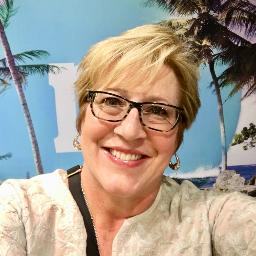
- Person-centered approach
- 38 years experience
- Works with LGBTQ+
About Suzanne
She believes the relationship between counselor and client is the foundation for change. Sessions focus on understanding the situation, asking useful questions, and developing a practical plan together. Suzanne emphasizes a nonjudgmental, person-centered stance and encourages clients to name what matters to them.
Suzanne has worked across many settings over decades, including community practice and as a Department of Defense provider. That background informs her understanding of military life and the transitions that come with service. She also brings experience helping people who have faced oppression and prejudice, including LGBTQ+ concerns.
Her method is flexible and integrated. She describes her approach as holistic and collaborative, drawing on methods such as cognitive-behavioral ideas, acceptance and commitment perspectives, attachment-informed work, and dialectical skills when useful. She tailors the plan to each person's goals and situation.
Suzanne invites people to take a first step by naming a concern and exploring options together. She frames counseling as a joint process of discovery and problem solving, aimed at helping people cope better, make choices, and move forward.
Areas of expertise
Also works with
Additional focus areas
Therapeutic approaches
Experience
38+ years
Credentials
North Carolina
Languages
English
How her approaches translate to online support
Suzanne uses Acceptance and Commitment Therapy and Cognitive Behavioral Therapy as core tools. ACT helps people notice thoughts and values, then take steps aligned with what matters to them. CBT looks at thought and behavior patterns and helps build new, practical skills to reduce symptoms like anxiety and low mood.She also draws on attachment-informed ideas to understand how relationships shape feelings and reactions, which can help when addressing intimacy, grief, or recurring conflict. These approaches are explained in everyday terms and chosen with the client based on goals and needs.
Finding the right approach is a collaborative process. Suzanne will talk with each person about what they want to change and which methods feel like the best fit. Together they will try strategies, note what helps, and adjust the plan as progress is made.
Please confirm current session options before booking, as the original biography does not list specific formats. In general, online sessions can make it easier to fit counseling into a busy life, allow shorter check-ins when helpful, and reduce travel time. Licensed professionals can use different ways to meet; ask about the format that best fits your schedule and comfort.
Frequently asked questions
What concerns does Suzanne address?
Suzanne works with a wide range of issues including stress, anxiety, depression, trauma and abuse, addictions, ADHD, career concerns, grief, and relationship and intimacy-related issues.
How would you describe her therapeutic style?
Her style is person-centered and nonjudgmental, combining listening, questions, and collaborative planning to help people identify choices and next steps.
What experience does she bring to sessions?
She brings 38 years of clinical and supervisory experience, including work in community settings and as a Department of Defense provider.
What are her credentials and where is she based?
She is a Licensed Clinical Mental Health Counselor, LCMHC, practicing from North Carolina.
Can sessions be held in languages other than English?
Sessions are offered in English.
Are international clients accepted?
Yes, international clients are accepted.
How much do sessions cost?
Cost varies with location and therapist availability; sessions use a subscription that can be canceled at any time.
What do I need to do to begin?
Click the Start Therapy button, complete a short matching questionnaire, and schedule according to the therapist's availability.