- Evidence-informed methods
- Practical coping steps
- Family concerns supported
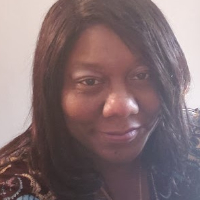
About Thea
Thea's work style is straightforward and collaborative. She listens first, then helps people notice patterns in thoughts and behavior. Sessions often focus on clear steps people can try between meetings to make daily life feel more manageable.
Her background includes more than a decade in nonprofit, school, and community settings. That experience shaped a flexible approach to common problems like parenting strain, family conflict, relationship issues, and coping with major life changes.
Thea uses Cognitive Behavioral Therapy, Acceptance and Commitment Therapy, Client-Centered Therapy, Emotionally-Focused Therapy, and Mindfulness Therapy in her work. She adapts these methods to each person's needs rather than following a single formula.
People come to Thea for a range of concerns, including trauma and abuse, ADHD, intimacy-related issues, anger, low self-esteem, and career transitions. She also addresses specific areas such as blended family dynamics, caregiving stress, abandonment, and communication problems.
Her practical focus is on helping people stabilize thoughts, feelings, and behavior. To start, visitors complete a short matching questionnaire and schedule sessions according to therapist availability.
Areas of expertise
Primary focus
Also works with
Additional focus areas
Therapeutic approaches
Experience
14+ years
Credentials
Texas, Florida
Languages
English
Approaches that translate well to online work
Thea commonly uses Cognitive Behavioral Therapy and Acceptance and Commitment Therapy in her practice. Cognitive Behavioral Therapy helps people identify unhelpful thinking patterns and try concrete behavior changes to reduce symptoms like anxiety and depression. Acceptance and Commitment Therapy focuses on clarifying values and taking meaningful action, which can help with life transitions, avoidance, and low motivation.She also draws on Client-Centered Therapy, which centers on empathic listening and supporting people as they find their own answers. That approach is useful when someone needs space to process grief, family stress, or relationship concerns.
Finding the right approach is part of the work together. Thea will discuss goals, preferences, and what has or hasn’t helped before. She adapts methods so they fit each person’s needs rather than insisting on a single technique.
If you are considering online sessions, confirm available session formats before booking since the biography does not specify them. Online work can make it easier to fit therapy into a busy week, allow shorter check-ins when needed, and reduce travel time. Licensed professionals can use these options to support steady progress while balancing everyday responsibilities.
Frequently asked questions
What concerns does she help with?
Thea works with a wide range of issues including stress, anxiety, depression, grief, parenting challenges, relationship and intimacy issues, trauma and abuse, anger, self-esteem, and career transitions.
What is her therapy style like?
Her style is collaborative and practical. She listens first, then uses focused techniques and homework to help people test new ways of thinking and behaving.
How much experience does she have?
Thea has 14 years of clinical experience working in nonprofit agencies, school settings, and community programs.
What credentials and location are listed?
She holds LPC and LMHC credentials and practices in Texas.
Which languages are supported?
Sessions are offered in English and international clients are not currently accepted.
What session formats are available?
Please confirm current session options before booking, as formats are not specified in the biography.
How does payment work?
Cost varies with location and therapist availability; sessions use a subscription that can be canceled at any time.
How do I begin working with her?
Click the Start Therapy button, complete a short matching questionnaire, and then schedule according to therapist availability.