- Career and life focus
- Practical coping skills
- Values-based work
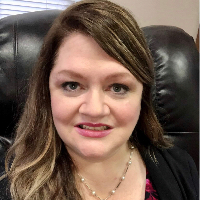
About Tracey
Tracey uses a mix of methods to match each person’s needs. She draws on cognitive behavioral techniques to identify unhelpful thinking and build practical skills. Dialectical behavior strategies are used when emotional regulation and distress tolerance are priorities. Acceptance and Commitment Therapy ideas help clients clarify values and take workable action toward meaningful goals.
Attachment-based and client-centered approaches shape how she builds a therapeutic relationship. These help people explore early patterns, feel heard, and practice different ways of relating. Her background includes long-term work with LGBT clients and with people affected by adoption, foster care, and attachment concerns.
Tracey has 27 years of counseling experience and maintains a grounded, respectful approach. She has incorporated animal-assisted work in the past and values practical tools alongside personal understanding. Outside of work she enjoys reading, hiking, thrifting, and home projects.
Her style is straightforward yet warm. Sessions focus on small, doable changes and on slowing down to notice what matters most when career, family, or health pressures feel overwhelming.
Areas of expertise
Primary focus
Also works with
Additional focus areas
Therapeutic approaches
Experience
27+ years
Credentials
Georgia
Languages
English
Therapeutic approaches and how they shape online work
Acceptance and Commitment Therapy (ACT) helps people get clear on what matters and take small, value-driven steps even when feelings are difficult. It is often used for stress, anxiety, depression, and life transitions. Cognitive Behavioral Therapy (CBT) focuses on identifying unhelpful thoughts and practicing concrete skills to change behavior and mood; it can help with anxiety, mood problems, and sleep or eating concerns. Attachment-Based Therapy looks at early relationship patterns and how they affect current connections, helping people with trust, intimacy, and communication struggles.Finding the right approach is part of the therapy process. The therapist will work with each person to choose methods that match their goals, preferences, and day-to-day needs. That collaborative decision-making shapes the plan and the specific techniques used over time.
The biography does not list specific online formats, so confirm available session types before booking. Online work can make it easier to fit sessions into a busy week, reduce travel time, and allow shorter check-ins when schedules are tight. It can also allow people to practice skills and check progress between appointments. Licensed professionals aim to adapt exercises and tools so they work well in remote sessions while keeping the focus on practical steps that fit everyday life.
Frequently asked questions
What kinds of concerns does Tracey address?
She supports people with stress, anxiety, depression, bipolar disorder, trauma, grief, relationship and intimacy issues, parenting and family concerns, addictions, ADHD, and career-related worries.
How would you describe her therapeutic style?
Her style blends practical skill-building with relational exploration. Sessions emphasize clear strategies, emotional regulation, and connecting goals to personal values.
How much clinical experience does she have?
She brings 27 years of experience in counseling diverse concerns and populations, including many years working with LGBT clients and people affected by adoption and attachment issues.
What credentials and location are listed?
She is listed as an LPC, which stands for Licensed Professional Counselor, and practices in Georgia.
In which language are sessions offered?
Sessions are offered in English and international clients are not currently accepted.
Which session formats are available?
The original biography does not specify session formats. Please confirm current session options with the service before booking.
How is cost handled?
Cost varies with location and therapist availability; sessions use a subscription that can be canceled at any time.
How do I begin working with her?
Start by selecting the Start Therapy button, completing a short matching questionnaire, and then scheduling according to therapist availability.