- Client-centered approach
- CBT and skills-based
- Mindfulness and emotion work
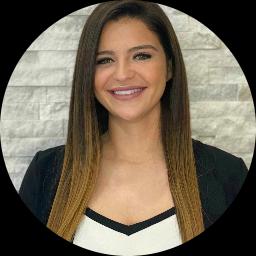
About Victoria
Victoria draws on nine years of experience and blends clear problem-solving with a warm, listening style. She uses client-centered methods to create space for a person to be heard. She also uses cognitive behavioral tools to spot unhelpful thinking and build new skills.
In sessions she mixes emotion-focused work with mindfulness practices to help people regulate strong feelings. Dialectical Behavior Therapy tools are also part of her approach when clients need skills for managing distress and relationships. Her style is collaborative and down-to-earth; she offers direction as well as support.
Victoria describes therapy as a team effort. She helps people set realistic goals and practices simple strategies between sessions. Treatment plans are tailored to the concerns brought to therapy, including addiction, bipolar symptoms, trauma, and family-of-origin issues.
To begin, she asks people to share their story and current goals so they can agree on the next steps. Sessions aim to be practical and focused on what will help in everyday life.
Areas of expertise
Also works with
Additional focus areas
Therapeutic approaches
Experience
9+ years
Credentials
Florida, Georgia, Virginia, Indiana, Ohio, Connecticut, Kentucky
Languages
English
How Victoria’s approaches translate to online work
Many of Victoria’s methods fit well with remote sessions. Client-Centered Therapy focuses on listening and building a safe, respectful relationship so people can talk through what matters most. This approach helps with general life stress, self-esteem, and relationship concerns.Cognitive Behavioral Therapy (CBT) looks at unhelpful thoughts and behaviors and teaches practical skills to change them. CBT is useful for anxiety, depression, sleep troubles, and career-related stress because it gives clear techniques to practice between sessions.
Dialectical Behavior Therapy (DBT) brings concrete tools for managing strong emotions and improving communication. Those skills can help with anger, impulsive behaviors, and relationship patterns commonly described in therapy.
Finding the right approach is part of the work. The therapist will discuss goals, preferences, and day-to-day needs to choose which methods to use. This is a collaborative process and plans can be adjusted as therapy progresses.
If you are considering online sessions, confirm the exact formats offered before booking. Online work can make it easier to fit appointments into a busy schedule, allow shorter check-ins when needed, and reduce travel time. The therapist will help figure out a setup that fits your routine and goals.
Frequently asked questions
What kinds of problems does she address?
She helps with stress, anxiety, addictions, low self-esteem, depression, trauma, grief, sleeping problems, anger, career concerns, and related family or relationship issues.
What is her general therapy style?
Her approach is collaborative and practical. She listens closely, offers direction, and teaches skills from client-centered, cognitive behavioral, mindfulness, and emotion-focused methods.
How much experience does she have?
She has nine years of clinical experience working with people on a range of issues including substance use, trauma, mood concerns, and family conflict.
What credentials and location are listed?
She holds the LMHC and the LPCC credential and practices in Florida.
Which languages are supported and can international clients join?
Sessions are offered in English. International clients are not currently accepted.
What session formats are available?
The original biography does not specify session formats; please confirm current session options before booking.
How is cost handled?
Cost varies with location and therapist availability; sessions use a subscription model that can be canceled at any time.
How do I get started with therapy?
Click the Start Therapy button, complete a short matching questionnaire, and schedule according to therapist availability.